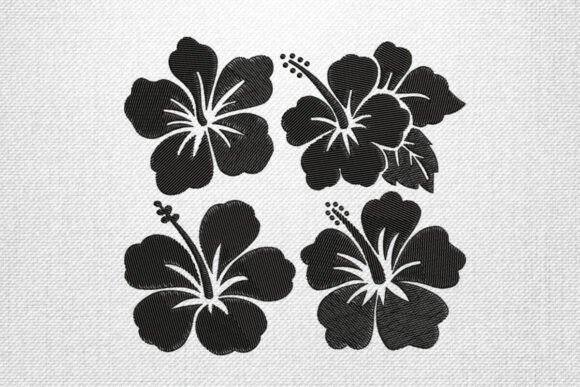
Tropical Hibiscus: A Designer’s Review for Personalized Gifts
As an embroidery designer who has spent years testing digital files for real-world application, I approach every new machine embroidery design with a mix of excitement and skepticism. We all know that what looks perfect on a screen does not always translate seamlessly to fabric. Recently, I had the opportunity to test the Tropical Hibiscus set, a collection falling under the Single Flowers Plants category. My goal was not just to admire the aesthetics, but to determine if this embroidery file could hold up in a busy personalized gift shop environment. Could it serve as the centerpiece for high-value custom orders? After running several test hoops and analyzing the stitch data, I am ready to share my findings with fellow Etsy sellers, crafters, and small business owners.
First Impressions: Mood, Charm, and Detail
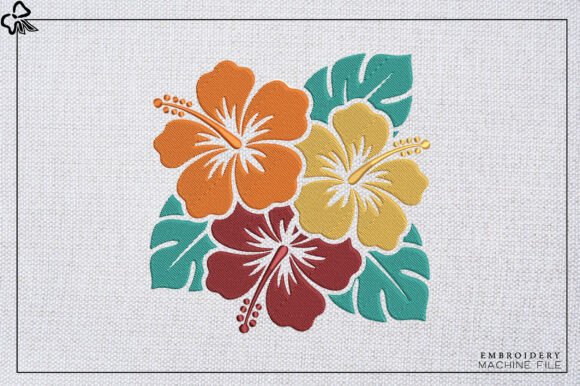
The moment I loaded the preview for Tropical Hibiscus, the immediate impression was one of warmth and relaxed elegance. This is not a stiff, formal floral; it carries a distinct island vibe that feels both playful and romantic. The design captures the classic hibiscus bloom with beautifully detailed motifs that avoid looking cluttered. For a designer, this balance is crucial. Too much detail can lead to thread breaks and long run times, while too little can look amateurish. This set strikes a charming middle ground, feeling handmade yet polished.
The emotional appeal here is strong. It evokes feelings of summer, vacation, and tranquility. For customers seeking a personalized gift that feels thoughtful rather than generic, this mood is a significant selling point. It does not scream "seasonal" in a way that limits its shelf life to July; instead, it offers a timeless tropical aesthetic that works year-round, especially for those living in warmer climates or dreaming of escape.
Versatility in Product Application
One of the primary questions I ask when reviewing a new design is: "Where does this live?" The Tropical Hibiscus proves to be incredibly versatile across various product types. Here is how I envision it performing in a real shop setting:
- Baby Embroidery and Nursery Decor: The soft, organic lines of the hibiscus make it suitable for baby items. Imagine this stitched onto a muslin swaddle or a nursery wall hanging. It adds a gentle, natural touch that appeals to modern parents.
- Kitchen and Home Textiles: This design shines on an embroidered towel or a linen apron. The floral motif breaks up the monotony of solid fabrics, turning a standard kitchen towel into a boutique-style home accessory.
- Wedding and Keepsake Gifts: While not traditional bridal lace, the hibiscus works beautifully for destination wedding favors or bridesmaid gifts. A tote bag with this flower and a monogram creates a memorable wedding gift that guests will actually use.
- Apparel and Accessories: From pillow covers to canvas totes, the design adapts well. It serves as an excellent standalone element or as part of a larger collage for a blanket embroidery project.
For an Etsy seller, this versatility means you can create multiple listings from a single purchase, maximizing the return on investment for your digital embroidery file.
Navigating Technical Challenges and Fabric Choices
While the design is beautiful, practical application requires caution. As a professional, I must highlight where Tropical Hibiscus needs careful handling. The "beautifully detailed floral motifs" mentioned in the description imply a certain level of intricacy. This means you must pay close attention to stitch density and fabric choice.
Fabric Texture and Stability: Do not attempt this design on highly textured fabrics like thick waffle-weave towels without proper stabilization. The small details may get lost in the weave. Similarly, avoid using it on stretchy baby clothes unless you are experienced with knit stabilizers. The hoop pull can distort the flower, turning a perfect bloom into an oval mess. Always use a cut-away stabilizer for garments that will be washed frequently.
Color Contrast and Thread Selection: The success of this design relies heavily on your thread colors. On dark fabric, you must ensure high contrast. A deep red hibiscus on navy blue might look muddy from a distance. I recommend testing on scrap fabric first. Create a printable mockup or physically stitch out samples on both light and dark backgrounds to see how the shadows and highlights render. If the design relies on subtle shading, it may not pop on busy patterned fabrics.
Hoop Size Considerations: Before committing to a large order, confirm the hoop size required for the specific version of the file you are using. If the design is large, ensure your machine can handle it without excessive re-hooping, which can cause alignment issues. For smaller applications, like a pocket on a shirt, check if the design scales down well without losing definition in the petals.
Enhancing Perceived Value and Customer Trust
Why choose Tropical Hibiscus over a generic flower? The answer lies in perceived value. A well-executed floral design elevates a handmade product from "crafty" to "artisan." When a customer sees the clean lines and balanced composition of this hibiscus, they associate it with quality. This builds trust.
In terms of marketing, this design is photogenic. It photographs well for social media, which drives buyer engagement. The vibrant nature of the flower allows for creative styling—think bright linens, natural wood props, and sunlight. These elements help create a lifestyle image that sells the emotion of the product, not just the item itself. For a small shop product, this visual appeal is critical for standing out in a crowded marketplace.
Furthermore, offering custom embroidery with this design allows for personalization. Adding a name or date alongside the hibiscus transforms it into a unique keepsake. This emotional connection increases the likelihood of repeat customers and positive reviews.
Practical Steps for Commercial Use
If you are planning to use Tropical Hibiscus for commercial embroidery sales, there are final steps you must take to protect your business and ensure quality:
- Verify Licensing: Always check the license terms provided with the download. Ensure you have the right to sell finished products made with this design. Most designers allow it, but some restrict mass production.
- Test Stitch-Outs: Never skip the test phase. Stitch the design on the exact fabric you plan to sell. Check for thread breaks, jumps, or dense areas that might pucker the fabric.
- Optimize Stabilizer: Match your stabilizer to the fabric weight. A heavy stabilizer on a light voile will feel stiff and cheap, while a light stabilizer on denim may not provide enough support.
- Quality Control: Inspect the back of the embroidery. Trim loose threads and ensure the bobbin tension is correct. A clean back indicates a professional finished product.
In conclusion, the Tropical Hibiscus design is a strong contender for any embroidery business focusing on personalized gifts. It offers a blend of elegance and playfulness that appeals to a wide demographic. By respecting the technical requirements of stitch density and fabric choice, you can create stunning items that resonate with customers. Whether you are creating a baby shower gift or a summer tote, this design provides the floral charm needed to make your handmade items stand out. Just remember to test, stabilize, and verify your rights before launching your new collection.