Orange Blossom: A Designer’s Real-World Review
When I first loaded the Orange Blossom design into my editing software, I wasn’t looking for flashy complexity. As a designer who spends most of my week troubleshooting digitizing errors and managing client expectations, I look for reliability. I look for designs that translate well from screen to fabric without requiring hours of manual tweaking. This particular piece, categorized under Single Flowers Plants, caught my eye because of its balance. It promises a cheerful and elegant touch, but does it deliver in the hoop? After putting it through its paces on various textiles, I can say it holds up remarkably well for both personal projects and commercial use.
First Impressions and Visual Personality
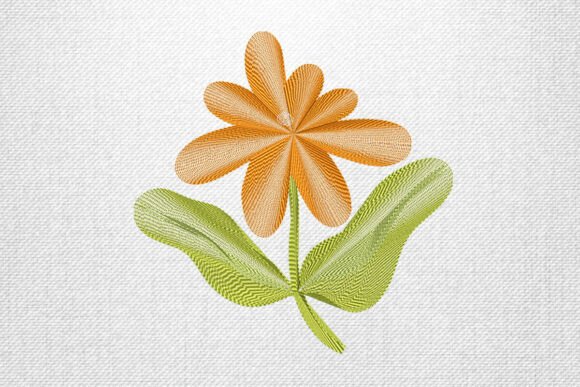
The immediate mood of this embroidery file is warm and inviting. The bright orange petals paired with fresh green leaves create a high-contrast look that pops against neutral backgrounds. In the world of Embroidery, color contrast is everything. If the tones are too similar, the design gets lost. Here, the vibrancy ensures that the motif remains the focal point. The layout feels organic rather than rigid, which gives it a modern, hand-drawn aesthetic that appeals to today’s buyers who prefer artisanal vibes over sterile, perfect geometry.
What stands out is the detail level. It is intricate enough to look professional but not so dense that it becomes a nightmare to stitch out on slower machines. For an Etsy seller or small shop owner, this balance is crucial. You want a product that looks expensive and thoughtful, but you also need to manage production time. Orange Blossom strikes that sweet spot, offering visual interest without excessive run times.
Real-World Application: The Tote Bag Test
To truly evaluate a machine embroidery design, you have to take it off the screen and into the workshop. My test case was a custom embroidered tote bag, a staple item for craft fairs and boutique branding. I chose a heavy canvas fabric, which is forgiving but can be tricky if the stitch density is too low, as the fabric texture might show through the gaps.
I used a medium-weight cut-away stabilizer to support the fabric. The result was crisp. The satin stitch work on the petals provided a nice sheen that contrasted beautifully with the matte canvas. The fill stitch areas in the leaves were dense enough to cover the fabric completely, ensuring no backing showed through. This is a critical check for any handmade product; customers equate full coverage with quality. If they can see the fabric underneath where they shouldn’t, the perceived value drops. With Orange Blossom, the coverage was solid, making it an excellent choice for tote bag design applications.
Versatility Across Products
Beyond totes, I considered how this design would perform on other common items. For sweatshirt embroidery, the design scales well. Placed on the left chest of a hoodie, it acts as a subtle yet stylish logo alternative. The curves of the petals soften the look of athletic wear, making it suitable for custom apparel lines targeting a feminine or nature-inspired demographic.
I also tested it as an embroidered patch on denim. Here, the defined edges of the design mattered most. The running stitch outlines held their shape without fraying, which is essential for items that will undergo frequent washing. For baby embroidery, such as on a onesie or burp cloth, the design’s cheerful theme fits perfectly. However, I would recommend scaling it down slightly and ensuring the thread colors are soft pastels if aiming for a nursery aesthetic, though the original bright palette works wonderfully for gender-neutral modern baby gifts.
Holiday embroidery is another strong avenue. The orange hue lends itself beautifully to autumn-themed decor, such as pillow covers or kitchen towels. It evokes the feeling of harvest and warmth, making it a seasonal bestseller for those who rotate their inventory based on trends.
Technical Considerations and Fabric Choices
While Orange Blossom is versatile, it is not without its limitations. Designers must be mindful of fabric texture. On highly textured fabrics like terry cloth or thick wool, the finer details of the leaves might get lost. In these cases, increasing the stitch density slightly or using a heavier weight thread could help, but always test on scrap fabric first.
Stretchy fabrics present another challenge. If you are applying this to a jersey knit or spandex blend, proper stabilization is non-negotiable. I recommend using a tear-away stabilizer with a fusible top sheet to prevent puckering. The design’s layout has some open spaces between the petals and leaves; on stretchy material, these areas can distort if the hoop tension is not adjusted correctly.
Dark fabrics require careful thread selection. The bright orange and green specified in the design description will pop, but if you wish to customize the thread colors for a monochromatic look, ensure there is enough contrast. A dark orange on black fabric might vanish. Always check your design in black and white mockups to verify that the shapes remain distinct regardless of color choices.
Commercial Viability and Brand Consistency
For commercial embroidery projects, consistency is key. When selling finished products or digital embroidery files, your brand reputation relies on the quality of every stitch. Orange Blossom offers a professional finish that builds customer trust. The clean lines and balanced composition make it easy to integrate into various branding styles, from rustic chic to modern minimalist.
For digital product sellers, this design serves as a strong asset. It can be used in printable mockups to showcase how it looks on different items, helping buyers visualize the final product. This increases buyer engagement and reduces hesitation at checkout. However, always confirm licensing terms before selling finished items or digital products. Not all designs allow for commercial use, so checking the specific license included with your purchase is a mandatory step for any craft business.
Practical Designer Notes
Before you commit to a large batch of production, keep these practical tips in mind:
- Test on Scrap Fabric: Never skip this step. Check how the thread interacts with your specific material.
- Check Thread Color Contrast: Ensure the orange and green stand out against your chosen background.
- Review Stitch Density: If the design feels too stiff, consider reducing density slightly in the fill areas.
- Confirm Hoop Size: Make sure the design fits comfortably within your machine’s hoop without hitting the edges.
- Inspect Small Details: Zoom in on the digital file to check for any potential jump stitches or overlapping paths.
- Use Proper Stabilizer: Match the stabilizer to the fabric weight and stretch.
- Verify Licensing: Confirm whether the design allows for commercial sales of finished goods.
In conclusion, Orange Blossom is a reliable, aesthetically pleasing addition to any designer’s library. It performs well across a range of applications, from everyday tote bags to specialized holiday decor. By paying attention to fabric choice and stabilization, you can ensure that each finished product reflects the high standards of your craft business. It is a design that respects the maker’s time while delivering a result that customers will love.