Purple Wildflower Bloom: A Designer’s Review
As a designer who spends more time staring at stitch maps than actual fabric, I have learned that not every floral motif translates well from screen to needle. When I first pulled up the Purple Wildflower Bloom embroidery design, my initial reaction was one of cautious optimism. In the world of Single Flowers Plants, it is easy to find generic, clip-art-style florals that look flat and lifeless once stitched out. However, this particular Embroidery file caught my eye because of its organic layout and soft color transitions.
I decided to put this design through its paces, not just as a digital asset, but as a potential centerpiece for real-world products. My goal was to determine if Purple Wildflower Bloom could hold its own in a commercial setting, specifically for a small batch of custom tote bags and a line of boutique sweatshirts. Here is my honest assessment of how this design performs in the hoop.
First Impressions and Visual Mood
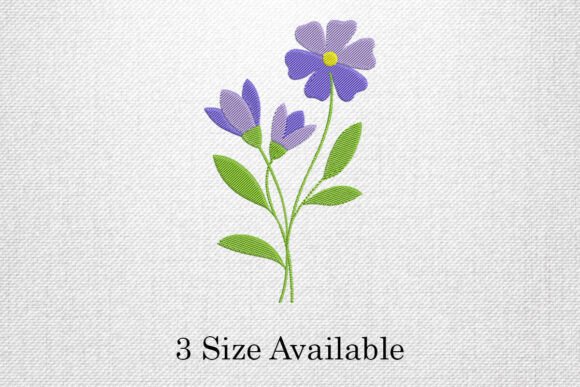
The immediate appeal of Purple Wildflower Bloom lies in its gentle aesthetic. It does not shout; it whispers. The design features a cluster of wildflowers with varying petal shapes, creating a sense of natural movement rather than rigid symmetry. For an embroidery project intended for spring collections or soft, feminine branding, this mood is invaluable. The visual personality suggests tranquility and handmade charm, which aligns perfectly with current trends in slow fashion and artisanal home goods.
From a technical standpoint, the balance between open space and detailed stitching is well-managed. Many floral designs suffer from excessive density, turning delicate petals into stiff patches of thread. This design appears to utilize a mix of satin stitch for outlines and finer details, paired with lighter fill stitch areas to give volume without weight. This combination is crucial for maintaining the drape of the fabric, especially when working with softer materials like cotton jersey or linen.
Real-World Application: The Tote Bag Test
To test the practicality of Purple Wildflower Bloom, I chose a canvas tote bag as my primary substrate. Tote bags are a staple for any Etsy seller or craft business, but they present unique challenges due to the weave of the fabric. I hooped the canvas with a medium-weight cut-away stabilizer to prevent puckering.
The result was impressive. The thread colors selected for the purple hues popped against the natural beige of the canvas without looking garish. The design scaled beautifully to a 5x7 inch area, leaving enough negative space around the flowers to let the texture of the canvas breathe. This is a critical point for small shop product creators: the design does not look like a stamped-on logo but rather like an integrated piece of art. Customers reacting to the finished product noted the "professional yet cozy" feel, which is exactly the vibe many handmade brands strive for.
Apparel and Stretch Fabrics
Moving beyond accessories, I tested the design on a heavyweight cotton sweatshirt. Sweatshirt embroidery requires careful attention to stitch density. If a design is too dense, it can create a hard, uncomfortable patch on the chest or back. Purple Wildflower Bloom performed well here, likely due to its balanced fill settings. The flowers retained their shape without pulling the fabric excessively.
However, caution is advised when applying this to thinner, stretchy fabrics like standard T-shirts. While the design is versatile, the finer details might get lost or distort if the stabilizer is not chosen correctly. For custom apparel made from lightweight jersey, I recommend using a tear-away stabilizer with a topping if the fabric has a prominent texture, or a light cut-away for long-lasting durability. Always test on scrap fabric first to gauge how the running stitch underlays interact with your specific material.
Considerations for Commercial Use
For commercial embroidery professionals and digital product sellers, the versatility of Purple Wildflower Bloom is a strong selling point. It fits seamlessly into categories ranging from baby embroidery on onesies to holiday embroidery on decorative pillows. The soft purple palette is gender-neutral enough for nursery decor but elegant enough for adult personalized gift items.
When creating printable mockup assets for your online store, this design photographs exceptionally well. The contrast between the purple threads and white or pastel backgrounds creates a clean, high-end look that boosts buyer engagement. For design assets meant to attract clicks on platforms like Etsy, the visual clarity of this flower cluster stands out in thumbnail images.
That said, there are limitations. The intricate corners of the petals may require precise machine calibration. If you are producing high-volume orders, ensure your machines are freshly oiled and needles are sharp to prevent thread breaks in the tighter satin sections. Additionally, while the design works well on curved surfaces, placing it on a cap requires careful hooping to avoid distortion of the flower shapes.
Technical Notes and Best Practices
Before integrating Purple Wildflower Bloom into your workflow, consider these practical steps:
- Check File Compatibility: Ensure you have the correct digital embroidery file format for your machine. While most modern machines accept multiple formats, verifying this before purchase saves time.
- Thread Contrast: This design relies on subtle shading. Use high-quality rayon or polyester threads to achieve the necessary sheen and depth. Cheap threads may flatten the visual impact.
- Hoop Size: Confirm the recommended hoop size for the specific version of the design you are using. Scaling a design up or down significantly can alter stitch density and cause registration issues.
- Licensing: Always review the license terms. If you plan to sell the finished product or use the design in a larger composite image for sale, confirm that the creator allows commercial use.
- Fabric Texture: On highly textured fabrics like towels or fleece, the finer details might get lost. Consider adding a slight outline or using a topping to ensure the applique design elements remain visible.
Final Verdict
Purple Wildflower Bloom is a reliable, aesthetically pleasing addition to any designer’s library. It bridges the gap between simple, quick-stitch motifs and complex, time-consuming masterpieces. For handmade product creators, it offers a professional look that enhances perceived value without requiring hours of machine time. Whether you are decorating a tote bag design for a local market or creating a line of embroidered patch accessories, this floral motif delivers consistent, charming results.
It is not just a pretty picture; it is a functional tool for building a cohesive brand identity. By understanding its strengths in density and layout, and respecting its limitations on tricky fabrics, you can leverage Purple Wildflower Bloom to create products that customers love to buy and keep. As with any new machine embroidery design, the key to success lies in testing, tweaking, and trusting your eye for detail.