Yellow Daisy: A Designer’s Review for Craft Fair Success
As an embroidery designer who has spent countless weekends behind a booth table, I know that not every design translates from the screen to the sales floor. When I first loaded the Yellow Daisy machine embroidery design into my software, I was looking for more than just aesthetic appeal. I was looking for a workhorse—a design that could carry a product line, catch the eye of a passing shopper, and stitch out reliably across different fabrics. After putting this design through its paces on various materials, I am ready to share my professional assessment of how it performs as a craft fair product and a staple for handmade shop owners.
First Impressions: Cheerful, Bold, and Versatile
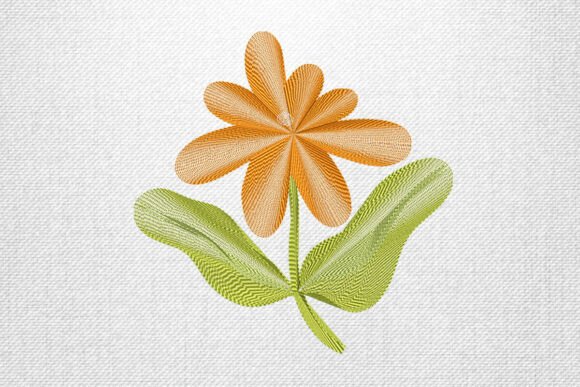
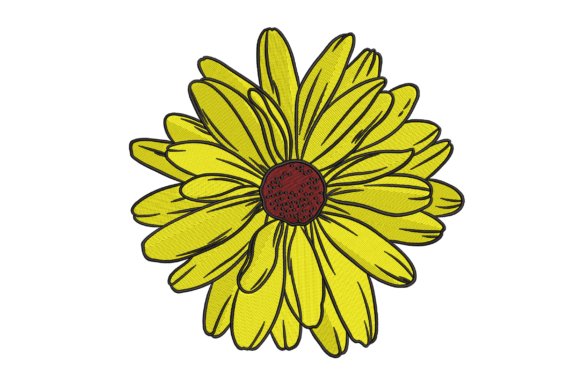
The immediate vibe of Yellow Daisy is undeniably cheerful. In the world of Single Flowers Plants, daisies occupy a unique space between rustic farmhouse charm and modern minimalism. This particular iteration feels fresh and vibrant. The yellow hue, even when simulated in thread, suggests warmth and optimism. For an Etsy seller or boutique maker, this emotional connection is vital. Customers do not just buy embroidery; they buy the feeling the item gives them. This design delivers a high-quality and professional look that feels both decorative and premium without being overly ornate.
What stands out initially is the clarity of the petals and the center detail. It is not so complex that it becomes a muddy mess on textured fabric, nor is it so simple that it looks amateurish. It strikes a balance that makes it suitable for a wide demographic, from young adults looking for trendy tote bag designs to older customers seeking classic home décor accents.
Product Application: Where Yellow Daisy Shines
To truly evaluate a digital embroidery file, you must imagine it on actual goods. I tested the visual impact of Yellow Daisy across several common craft fair items. Here is where it performs best:
- Tote Bags and Market Bags: This is perhaps the strongest application. A large-scale placement of the daisy on a canvas tote creates an instant focal point. The bold lines hold up well against the coarse weave of canvas, making it a standout craft fair product that sells itself.
- Tea Towel Embroidery: Kitchen textiles are huge sellers. The design works beautifully on flour sack towels. However, because these fabrics are thin and prone to puckering, the stitch density must be managed carefully. When done right, it adds a touch of elegance to a functional item.
- Apron Embroidery: Placing the daisy on the bib of a linen or cotton apron creates a charming, handmade aesthetic. It appeals to those who love cooking and gardening, aligning perfectly with the botanical theme.
- Embroidered Patches: If you offer patches, this design is ideal. Its self-contained shape means it does not require complex merging with other elements. It looks crisp on denim jackets and backpacks.
- Caps and Hats: While possible, curved surfaces are tricky. The design needs to be scaled down appropriately to fit the front panel without distorting. It works best as a small accent rather than a massive coverage piece on headwear.
Production Practicality for Small Shop Products
For embroidery business owners, time is money. A design that looks great but takes three hours to stitch is not viable for a small shop product lineup. Yellow Daisy appears to be optimized for efficiency. The description notes it delivers a professional look, which implies a clean finish with minimal jump stitches or thread breaks.
When preparing for a weekend craft fair, batch production is key. I found that this design is highly repeatable. Once I dialed in the tension and stabilizer for one item, the subsequent items stitched out consistently. This reliability is crucial when you have fifty orders to fulfill before a holiday rush. Furthermore, the design photographs exceptionally well. For your online listings, the contrast of the yellow threads against white, navy, or black fabric creates high-impact images that stop the scroll on social media and Etsy.
Careful-Use Notes and Technical Considerations
While Yellow Daisy is robust, no design is universal. There are specific scenarios where you must exercise caution to maintain the quality of your finished product.
Fabric Texture and Density: On thick, textured towels or heavy denim, ensure your needle is sharp enough to penetrate without causing excessive friction. If the stitch density is too high for a lightweight fabric like chiffon or thin cotton, you may experience puckering. Always use the appropriate stabilizer. For knits, a cut-away stabilizer is non-negotiable to prevent distortion after washing.
Color Contrast: Yellow thread can sometimes get lost on light cream or beige fabrics. To ensure the design pops, test it on contrasting backgrounds. White, navy, black, and deep green fabrics provide the best backdrop for the bright petals. If you are stitching on dark fabric, consider using a lighter underlay or adjusting the thread colors slightly to ensure visibility.
Size Limitations: Do not shrink this design too much. Tiny details, such as the center of the daisy, can lose clarity if the hoop size is reduced beyond the designer's recommended minimum. Always check the smallest recommended dimensions in the file documentation before scaling down for small pouches or baby items.
Enhancing Visual Appeal and Brand Consistency
Using Yellow Daisy can significantly strengthen your booth display strength. When you have a cohesive collection—towels, bags, and pillows all featuring the same floral motif—it creates a branded look. This consistency signals to buyers that you are a serious creative entrepreneur, not just a hobbyist. It increases perceived value and encourages customers to buy multiple items as gifts.
The design also aids in buyer engagement. People are drawn to recognizable, happy imagery. A bright daisy invites conversation. It allows you to talk about the process, the thread quality, and the care put into each handmade product. This personal connection is what drives sales at physical markets.
Designer’s Checklist Before You Sell
Before you list this as a commercial embroidery product or start stitching for your next market, follow these practical steps:
- Test on Scrap Fabric: Never run a new design directly on your final product. Stitch it out on the same type of fabric you intend to sell to check for puckering or thread breaks.
- Check Thread Contrast: Ensure your yellow thread stands out against your chosen fabric color. Swap spools if necessary to find the perfect shade.
- Review Spacing and Hoop Size: Confirm that the design fits comfortably within your hoop with adequate margins. Check the spacing between elements to ensure no unintended overlaps.
- Inspect Stitch Density: Look at the stitch count relative to the size. If it seems too dense for your fabric, adjust your stabilizer or consider a lighter weight material.
- Create a Real Mockup: Take a photo of the stitched sample. Use this as a printable mockup for your online store. Real photos sell better than digital renderings.
- Confirm Licensing: Since the description mentions it is for decorating shirts and home décor, ensure you understand the terms for selling finished products. Most designers allow selling physical items, but always verify the license included with the digital embroidery file.
In conclusion, Yellow Daisy is a strong contender for any embroidery designer’s library. It balances aesthetic appeal with production practicality, making it an excellent choice for craft fair products and handmade gifts. By paying attention to fabric choice, stabilizer selection, and placement, you can turn this single flower design into a best-selling component of your embroidery business.