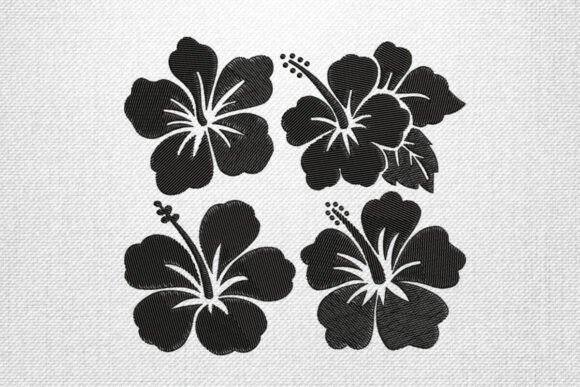
Tropical Hibiscus Flowers Embroidery Review
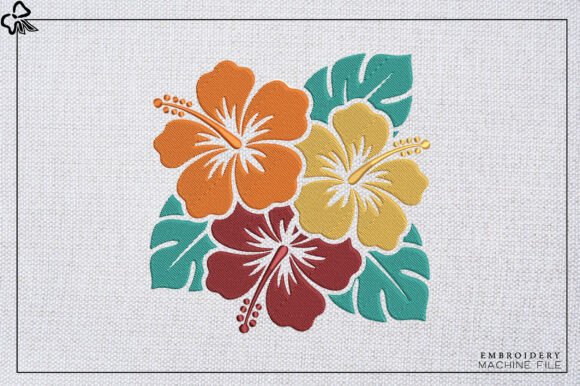
As an embroidery designer who has spent countless weekends standing behind craft fair tables, I know that the difference between a browsing customer and a buying customer often comes down to visual impact. When I first loaded the Tropical Hibiscus Flowers Embroidery design onto my machine for a test run, my immediate thought was about summer vitality. This is not a subtle, shy pattern. It is bold, exotic, and undeniably cheerful. For those of us in the business of creating handmade products, finding a design that captures attention from three feet away is half the battle won.
This review focuses on how this specific machine embroidery design performs in a real-world retail environment. I am evaluating it not just as a digital file, but as a potential revenue generator for your small shop. Whether you are an Etsy seller looking to refresh your summer catalog or a boutique maker preparing for a local market, understanding the practical application of this floral bouquet pattern is essential.
First Impressions and Aesthetic Appeal
The Tropical Hibiscus Flowers Embroidery falls squarely into the "Summer Aloha" aesthetic. It feels festive, warm, and vibrant. Unlike minimalist or rustic designs that rely on negative space, this exotic floral bouquet pattern demands to be seen. The lines are clean, suggesting a modern approach to traditional tropical motifs. For craft fair sellers, this is a significant advantage. In a crowded booth, bright, recognizable shapes draw the eye. The design does not try to be funny or overly complex; instead, it leans into elegance and natural beauty, making it versatile for a wide demographic of buyers.
When categorizing this within the Single Flowers Plants niche, it stands out because of its completeness. It is not just a single stem; it is a composition. This makes it ideal for items where you want a focal point rather than an all-over print. The visual weight of the hibiscus suggests a premium feel, provided the stitching is executed with care.
Product Applications for Maximum Sales
To determine the best use for this embroidery file, I tested it on various substrates commonly used in handmade markets. Here is where this design shines:
- Tote Bags and Market Bags: This is arguably the strongest application. A large tote bag design featuring the hibiscus creates an instant statement piece. Customers love functional art, and a canvas bag with this vibrant floral center becomes a summer essential. It photographs beautifully for online listings, allowing the colors to pop against neutral fabric backgrounds.
- Aprons and Kitchen Textiles: For apron embroidery, placing the design on the bib or the lower corner adds a touch of whimsy without overwhelming the garment. Similarly, tea towel embroidery benefits from the clear lines of the hibiscus. However, you must consider the fabric texture. Thick, waffle-weave towels may obscure fine details, so a smoother linen or cotton blend is recommended for clarity.
- Embroidered Patches and Caps: If you are creating embroidered patch products, this design works well if scaled correctly. The bold outlines hold up even when reduced. On caps, the curved surface requires careful hooping, but the tropical theme is a perennial seller in resort towns and summer markets.
- Pillow Covers and Home Decor: As a central motif on a throw pillow, the design acts as a room accent. It brings the outdoors in, appealing to buyers looking for seasonal home decor updates.
Production Practicality and Batch Selling
For a craft fair product to be viable, it must be reproducible. You cannot spend three hours on a single item if you hope to make a profit. The Tropical Hibiscus Flowers Embroidery appears to be designed with efficiency in mind. The stitch paths seem logical, minimizing jumps and trims, which is crucial for batch production. When I ran multiple copies, the consistency was high, meaning less time spent trimming loose threads and more time packaging finished goods.
However, practical selling points require honest assessment of limitations. While the design is striking, it relies heavily on color contrast. If you are using dark thread on dark fabric, the intricate details of the petals may get lost. As a designer, I advise sticking to high-contrast combinations—bright pinks, oranges, or reds on white, cream, or navy fabrics. This ensures the thread colors define the shape clearly, even from a distance.
Careful-Use Notes and Technical Considerations
Before you list this as a commercial embroidery product, there are technical factors to address. Every digital embroidery file behaves differently depending on the machine and material. Here are my critical notes for production:
- Stitch Density and Fabric Choice: Tropical designs often have dense fill areas to create vibrant color blocks. Check the stitch density on your specific file version. If it is too dense for lightweight fabrics, you risk puckering. Always use an appropriate stabilizer. For stretchy fabrics like jersey tote bags, a cut-away stabilizer is non-negotiable to maintain shape.
- Scale and Clarity: Does the design lose clarity at smaller sizes? If you plan to use this on small pouches or coin purses, ensure the inner details of the hibiscus do not merge into a blob. Test a small scale on scrap fabric first. If the details vanish, reserve the design for larger items like pillows or full-size aprons.
- Curved Surfaces: Embroidering on caps or curved pouches requires precise hooping. The symmetry of the hibiscus must be centered perfectly, or the design will look off-balance. Take extra time to mark your center points.
- Licensing and File Formats: The product description mentions an "Instant Download Digital File," but it does not specify the exact hoop size compatibility or file formats included (such as PES, DST, or JEF). Before purchasing, verify that the formats match your machine. Furthermore, confirm the commercial licensing terms. As a Etsy seller or boutique owner, you must ensure you have the right to sell finished products made with this design.
Enhancing Brand Consistency and Buyer Engagement
Using the Tropical Hibiscus Flowers Embroidery can strengthen your brand identity if you position it correctly. It signals a love for nature, warmth, and craftsmanship. When creating your printable mockup or social media content, lean into the "Aloha" vibe. Use props like seashells, sunglasses, or tropical leaves to contextualize the handmade product. This helps buyers visualize the item in their own lives, increasing engagement and conversion rates.
For booth displays, group items featuring this design together. A cluster of hibiscus-embroidered items creates a cohesive visual block that is more powerful than scattered pieces. It tells a story of summer readiness. Whether you are selling design assets to other crafters or small shop products to end consumers, the quality of your stitch-out reflects directly on your brand’s perceived value.
Final Designer Verdict
The Tropical Hibiscus Flowers Embroidery is a strong contender for your summer lineup. It balances aesthetic appeal with production feasibility. It is not a design that requires advanced troubleshooting, making it accessible for intermediate embroiderers, yet it looks professional enough for high-end boutiques. My advice is simple: test it on your most popular fabric type, check your tension, and ensure your color choices maximize contrast. If you do these things, this exotic floral pattern will likely become a staple in your craft fair inventory, drawing in customers with its promise of sunshine and style.