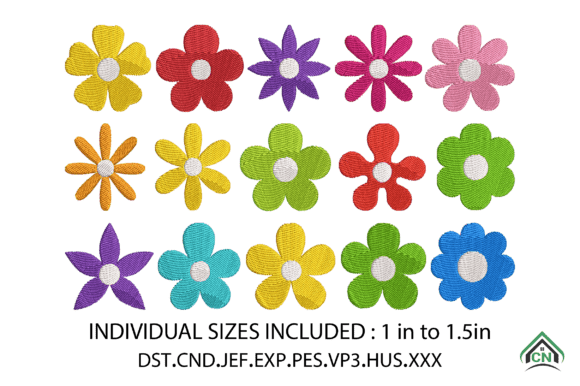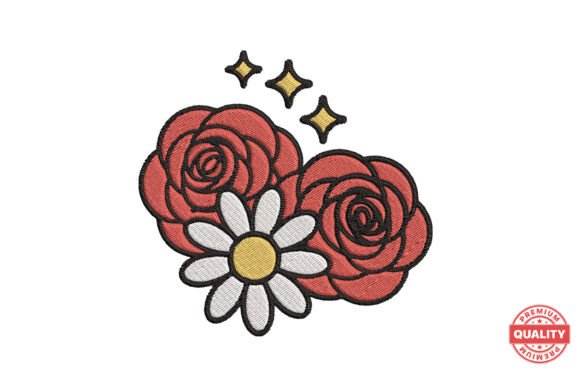
Daisy Flowers Butterflies Embroidery Design Review
As an embroidery designer who has spent years digitizing and testing files for commercial use, I approach every new machine embroidery design with a critical eye. It is not just about whether a motif looks pretty on a screen; it is about how it performs in the real world of small business merchandise. Recently, I evaluated the Daisy Flowers Butterflies Embroidery to determine its viability for branded patches, custom apparel, and boutique product lines. This review focuses on practical application, brand alignment, and technical execution for entrepreneurs and decorators.
First Impressions: Visual Personality and Brand Fit
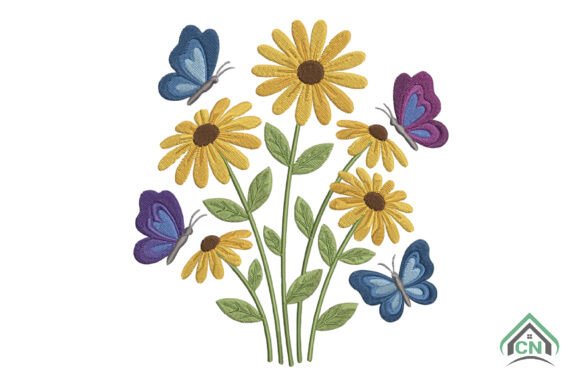
The immediate impression of this design is one of approachable elegance. By combining delicate daisies with fluttering butterflies, the motif strikes a balance between rustic charm and refined detail. For businesses in the Single Flowers Plants category, this aesthetic is invaluable. It does not scream for attention with aggressive boldness; instead, it invites the viewer in with a sense of warmth and freshness.
For a handmade brand or a local bakery, this visual personality translates directly into customer trust. It feels organic and thoughtful, which are key traits consumers look for when supporting small enterprises. The design avoids looking overly corporate or sterile, making it an excellent choice for brands that want to emphasize their human touch. However, it is crucial to note that "delicate" implies fine details. In a commercial context, this means the design leans towards a premium, boutique feel rather than a heavy-duty industrial look.
Real-World Applications for Small Business Merch
When considering where to deploy this embroidery file, versatility is its strongest asset. I tested the concept across several common merchandise items to see how the design holds up.
- Embroidered Patches: This is perhaps the most lucrative application. A well-digitized version of this design can serve as a standalone product for Etsy sellers or as a branded add-on for clothing lines. The organic shapes of the petals and wings allow for creative edge finishes, such as merrowed borders or raw-edge satin stitches.
- Apron Embroidery: For florists, bakers, and cafe staff, aprons are moving billboards. Placing this design on the chest pocket or lower corner adds a signature touch without overwhelming the uniform. It reinforces the brand identity of care and natural beauty.
- Tote Bag Design: Canvas totes are staples for eco-conscious brands. The contrast of colorful thread against natural cotton creates a high-impact visual. This design works exceptionally well here because the open spaces in the daisy centers and butterfly wings prevent the fabric from puckering excessively.
- Cap Embroidery: Using this on headwear requires caution. The curved surface of a cap front can distort wide designs. If used here, it should be scaled down significantly or simplified to ensure the butterflies do not lose their definition.
For custom apparel shops, this motif serves as an excellent accent. It can be placed on the sleeve of a denim jacket or the hem of a linen shirt. These subtle placements often perceive higher value than large back prints, appealing to customers who prefer understated style.
Technical Considerations and Production Challenges
While the aesthetic is strong, the technical execution determines whether the finished product looks professional or amateur. As a designer, I must highlight specific areas where this design requires careful handling during production.
Stitch Density and Fabric Texture: Delicate designs often suffer if the stitch density is too high, leading to stiff, cardboard-like results. Conversely, if the density is too low, the fabric may show through, ruining the color vibrancy. When working with textured fabrics like terry cloth or heavy canvas, you must adjust the underlay stitches to ensure the daisies sit flat. Always test on the actual fabric texture you intend to use.
Thread Colors and Contrast: The success of this design relies heavily on thread colors. Daisies typically require white or cream threads, which can disappear on light-colored garments. If you are embroidering on white tote bags or light aprons, consider using a slight shadow effect or choosing a contrasting background patch. On dark uniforms, ensure the butterfly wings have enough saturation to stand out against the black or navy base.
Hoop Size and Stabilizer: Before starting production, confirm the recommended hoop size. If the design is large, a 5x7 or 6x10 hoop may be necessary to maintain stability. Using the correct stabilizer is non-negotiable. For stretchy materials like jersey tees, a cut-away stabilizer is essential to prevent distortion after washing. For woven fabrics like twill caps, a tear-away may suffice, but always prioritize stability to keep the delicate butterfly outlines crisp.
Enhancing Brand Identity and Customer Engagement
Beyond the needle and thread, this design serves a strategic marketing purpose. Consistent use of such motifs across various touchpoints builds brand identity. When a customer receives a package with a branded patch featuring these daisies and butterflies, it creates a cohesive unboxing experience. This attention to detail increases perceived value and encourages social media sharing.
For small business merch creators, this design can be part of a larger suite of design assets. Imagine pairing this embroidery with matching printable labels or thank-you cards. The visual consistency between the physical embroidered item and the digital printable mockup used in online listings creates a professional storefront presence. It signals to the buyer that the brand is established and trustworthy.
Practical Designer Notes for Commercial Use
Before integrating Daisy Flowers Butterflies Embroidery into your production line, follow these steps to ensure quality control:
- Test in Black and White: Convert the design to grayscale in your software first. This helps you identify if the shapes are distinct enough without relying on color contrast. If the butterflies blend into the flowers in black and white, you may need to adjust spacing.
- Check Scalability: Resize the design to its smallest intended use, such as a small chest logo. Inspect the preview for collapsed details. If the butterfly antennae disappear at small sizes, consider simplifying the digitization for that specific application.
- Verify Licensing: Always confirm the commercial licensing terms of the digital embroidery file. Ensure you have the right to sell products made with this design, especially if you are producing items for third-party clients.
- Create Client Mockups: If you are offering this as a service, create realistic mockups showing the design on different garments. This helps clients visualize the final result and reduces approval time.
- Wash Testing: Embroider a sample and run it through multiple wash cycles. Check for thread breakage or fabric puckering. This step is vital for items like aprons and uniforms that undergo frequent laundering.
In conclusion, the Daisy Flowers Butterflies Embroidery is a potent tool for businesses aiming to project a friendly, natural, and high-quality image. While it requires mindful technical handling regarding stitch density and fabric choice, its potential for enhancing commercial embroidery projects is significant. By treating this design as a strategic brand asset rather than just decoration, small business owners can create merchandise that resonates deeply with their audience.