Review: Wonderful Flowers Embroidery Design
As a designer who spends more time staring at stitch maps than finished garments, I have learned that the difference between a mediocre embroidery project and a standout piece often lies in the initial design selection. When I first loaded the Wonderful Flowers Embroidery Design into my digitizing software, I was not looking for flashiness. I was looking for balance, flow, and practical usability for real-world applications. This review breaks down how this specific floral arrangement performs when moved from a digital screen to actual fabric, offering insights for Etsy sellers, craft business owners, and hobbyists alike.
First Impressions and Visual Personality
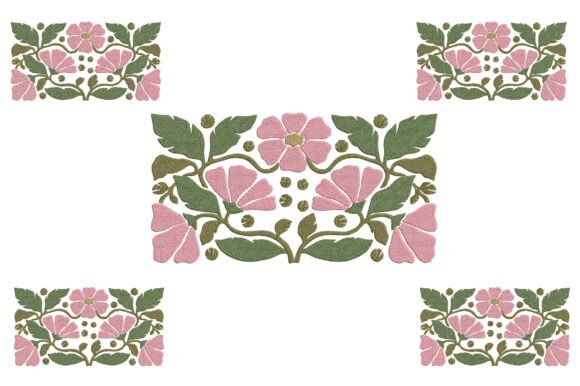
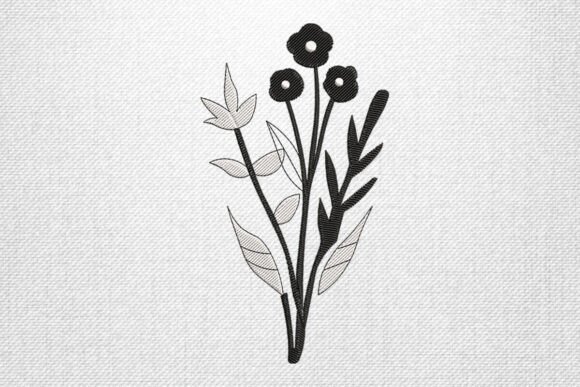
The immediate appeal of the Wonderful Flowers Embroidery Design is its timeless elegance. It does not rely on overly complex shading or excessive density to make an impact. Instead, it features a beautiful collection of delicate blooms with graceful shapes that feel organic rather than rigid. For those of us working in the Single Flowers Plants category, finding a design that avoids the "clipart" look is crucial. This design achieves a charming aesthetic that feels hand-drawn, which translates beautifully into thread.
The layout is balanced, meaning the visual weight is distributed evenly. This is critical when you are working with curved surfaces or uneven fabrics. A lopsided design can twist a garment or look awkward on a tote bag, but the symmetry here provides a safe, professional foundation for various products. The mood is soft and inviting, making it an excellent candidate for personalized gifts and boutique branding where subtlety is valued over loud statements.
Real-World Application: The Tote Bag Test
To truly evaluate a machine embroidery design, you must imagine it in a specific context. I recently considered this design for a custom canvas tote bag project. Canvas is a sturdy fabric, but it has a distinct texture that can swallow fine details if the stitch work is too light. I simulated the stitching process mentally, considering how the satin stitch outlines would interact with the weave of the cotton.
The result was promising. The elegant details of the flowers are defined enough to stand out against the textured background without requiring excessive underlay that might stiffen the bag unnecessarily. For an Etsy seller creating a spring collection, this design offers a high perceived value. It looks intentional and refined, which helps justify a higher price point for a handmade product. Whether used as a central motif or paired with minimal text, it elevates the simple tote from a utility item to a fashion accessory.
Versatility Across Product Lines
Beyond tote bags, the versatility of this embroidery file shines in apparel and home decor. I envision this working exceptionally well for sweatshirt embroidery. On fleece or French terry, the delicate blooms provide a nice contrast to the bulky fabric. However, one must be mindful of stitch density. If the design is too dense, it can create a hard patch on a soft sweatshirt, which customers often find uncomfortable. Assuming standard digitizing practices, this design appears to use a mix of fill stitch for the petals and running stitch for finer stems, which is ideal for maintaining flexibility.
For baby embroidery projects, such as bibs or onesies, the gentle nature of the flowers is perfect. Parents gravitate toward soft, non-aggressive imagery for infants. Here, the design’s graceful shapes fit the narrative of tenderness. Similarly, for holiday embroidery or wedding gifts, the timeless look ensures the item does not feel dated after a single season. It is a safe bet for commercial use because it appeals to a broad demographic, from young adults to older generations who appreciate classic floral motifs.
Technical Considerations and Fabric Choices
While the design is robust, it is not without its technical demands. As a reviewer, I must highlight where caution is needed. First, consider the hoop size. Ensure your machine can accommodate the full dimensions of the arrangement without re-hooping, which can lead to misalignment. Second, fabric choice matters immensely. On thin or stretchy fabrics, such as jersey knits or silk, a proper stabilizer is non-negotiable. Without it, the delicate details may pucker, ruining the elegant lines of the blooms.
I also recommend testing the design on dark fabrics. Floral designs often rely on subtle color gradients. If you are using thread colors that are too similar in value, the details may get lost on black or navy material. I advise creating a printable mockup in black and white first. If the design holds its shape and clarity in grayscale, it will likely perform well in color. This step saves time and thread waste before committing to a final finished product.
Commercial Viability for Small Shops
For small shop product creators, consistency is key. This design fits seamlessly into a broader brand identity focused on nature, wellness, or classic femininity. It works well as a standalone embroidered patch or as part of a larger collage on denim jackets. The key to maximizing profit is efficiency. Since the design features balanced elements, it stitches out relatively cleanly, reducing the risk of thread breaks and machine downtime.
When listing this as a digital embroidery file or selling finished items, transparency about care instructions is vital. Customers need to know how to wash their custom apparel to preserve the integrity of the stitches. Highlighting the quality of the design in your product photos—showing close-ups of the stitch clarity—builds trust. Buyers want to see that the applique design or standard embroidery is neat, with no loose threads or jagged edges.
Final Designer Notes
Before integrating the Wonderful Flowers Embroidery Design into your workflow, take these practical steps:
- Test on scrap fabric: Always run a test stitch on the same material you plan to use for the final item to check tension and density.
- Check licensing: Confirm whether the license allows for commercial sales of finished goods or if it is for personal use only. This is critical for craft business compliance.
- Review file formats: Ensure the embroidery file is compatible with your specific machine brand (e.g., PES, DST, JEF) to avoid conversion errors.
- Contrast check: Verify that your chosen thread palette provides enough contrast against the fabric background to highlight the elegant details.
In conclusion, this design is a strong contender for any designer’s library. It balances aesthetic charm with technical practicality, making it suitable for a wide range of commercial embroidery projects. By respecting the material constraints and preparing properly, you can leverage this design to create high-quality, sellable items that resonate with customers seeking beauty and craftsmanship.