Rose and Daisy Embroidery Design Review
As an embroidery designer who has spent countless weekends behind a craft fair table, I know that the difference between a browser and a buyer often comes down to visual impact. When I first loaded the Rose and Daisy Embroidery Design onto my machine, my immediate thought was about versatility. This design sits comfortably in the Single Flowers Plants category, but it feels far more dynamic than a standard botanical outline. It carries a cheerful, sun-drenched energy that is perfect for springtime collections, yet it possesses enough structural integrity to work year-round if paired with the right thread palette.
First Impressions: Mood and Market Fit
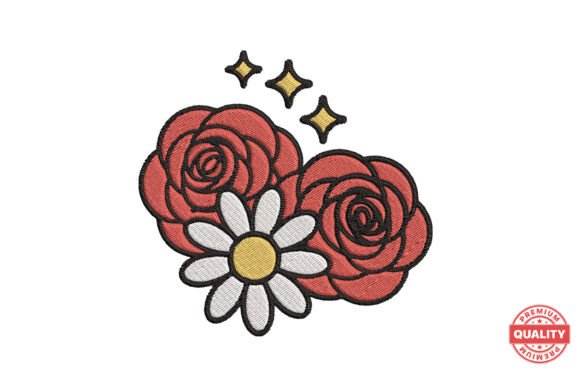
The aesthetic of this machine embroidery design leans heavily into the "cottagecore" and modern farmhouse trends that continue to dominate the handmade market. It is not overly intricate, which is a blessing for production speed, but it is not so minimal that it looks unfinished. The combination of the rose and the daisy creates a balanced composition. The rose provides a focal point of depth and romance, while the daisy adds a touch of whimsy and approachability. For an Etsy seller or a boutique maker, this duality is powerful. It appeals to customers looking for elegant home décor as well as those seeking cute, casual accessories.
In a crowded craft fair environment, clarity is king. This design reads well from a distance. It does not get lost in noise. When I imagine placing this on a tote bag or a tea towel, the silhouette is distinct. It feels friendly and inviting, which is exactly the vibe we want to project when selling handmade products. It suggests quality without appearing intimidatingly expensive, striking that sweet spot for impulse buys at a market booth.
Product Applications and Selling Potential
To truly evaluate the commercial viability of the Rose and Daisy Embroidery Design, I mentally staged it across various popular craft fair products. Here is where I believe this design shines:
- Tote Bags and Market Bags: This is perhaps the strongest application. A large-scale version of this design centered on a canvas tote creates an instant bestseller. The floral motif breaks up the expanse of fabric beautifully, turning a utility item into a fashion statement.
- Apron Embroidery: Placed on the bib or the lower corner of a waist apron, this design adds a premium touch. It transforms a simple kitchen tool into a giftable item for hosts and home cooks.
- Tea Towel Embroidery: For kitchen textiles, the design works well as a corner accent. However, one must be mindful of the fabric texture. Terry cloth can swallow small details, so this design is best suited for flat-weave linen or cotton towels where the stitches can sit cleanly on the surface.
- Embroidered Patches: If you offer custom patches, this design is ideal. It holds its shape well when cut out and backed. It is small enough to be cost-effective but detailed enough to look professional.
- Caps and Hats: This is a tricky surface. While the design is lovely, the curved brim and front panel of a cap require careful digitizing checks. Ensure the stitch density is not too high, or the fabric will pucker. It works best as a smaller, left-chest placement rather than a full-front centerpiece.
Production Practicalities for Small Shops
For those of us running small shop products, time is money. One of the greatest strengths of this digital embroidery file is its likely efficiency. Without knowing the exact stitch count, the visual simplicity suggests it will not tie up your machine for hours. This makes it excellent for batch production. You can hoop multiple items, run the design, and move on quickly. This repeatability is crucial when preparing inventory for a weekend market.
Photography is another critical factor. This design photographs exceptionally well. The contrast between the typical reds or pinks of a rose and the whites or yellows of a daisy creates natural visual interest in photos. For your online listings, this means you can create stunning printable mockup images or flat-lay photos that stop the scroll. It serves as a strong design asset for your brand’s social media presence, allowing you to showcase the finished product in lifestyle settings easily.
Careful-Use Notes and Technical Considerations
While the design is robust, there are technical nuances to consider before you start stitching for sales. As an experienced designer, I always advise testing on scrap fabric first. Here are specific areas where attention to detail will save you from wasted materials:
- Stitch Density and Fabric Choice: If you are using thick fabrics like denim or heavy canvas, ensure your needle is sharp enough to penetrate without breaking. Conversely, on lightweight fabrics, use a cut-away stabilizer to prevent distortion. The weight of the threads in the rose petals could pull on thin cotton if not properly supported.
- Thread Colors: The success of this design relies heavily on your thread selection. High contrast is key. If you choose tonal threads (e.g., light pink rose on light pink fabric), the design may vanish. Stick to classic contrasts or bold, modern palettes to make the flowers pop.
- Size and Clarity: Be cautious when scaling down. If you intend to use this on small items like coin purses or baby bibs, check that the tiny details of the daisy petals do not merge into a blob. There is a minimum hoop size and resolution limit where intricate floral designs lose their charm. Always stitch a test sample at your intended size.
- Dark Fabrics: If stitching on black or navy, remember that standard embroidery threads may not cover the background completely if the density is low. You might need to adjust underlay stitches or choose a design variant optimized for dark garments if available.
Enhancing Brand Consistency and Buyer Engagement
Integrating the Rose and Daisy Embroidery Design into your lineup can strengthen your brand identity. If your shop focuses on nature-inspired or vintage-style goods, this design acts as a cohesive element across different product types. A customer who buys a tote bag with this design is more likely to return for a matching pillow cover or tea towel. This cross-selling potential increases the average order value and builds customer loyalty.
Furthermore, in a commercial embroidery context, consistency builds trust. When customers see that your stitching is clean, your colors are vibrant, and your designs are well-chosen, they perceive higher value. This design, with its balanced composition and universal appeal, supports that perception of quality. It does not look like a generic clip-art conversion; it looks like a thoughtful addition to a curated collection.
Final Designer Verdict
Before you list this as a craft fair product or add it to your digital store, take the necessary preparatory steps. Confirm the license terms if you are selling physical goods versus digital files. Check the recommended hoop size to ensure it fits your most common blanks. Create at least one real-world mockup on the actual fabric you plan to sell. Compare how it looks on white versus cream versus colored fabrics.
The Rose and Daisy Embroidery Design is a strong contender for any spring or summer collection. It balances aesthetic appeal with production practicality. For the embroidery business owner looking to expand their Single Flowers Plants portfolio, this design offers a reliable, attractive, and sellable option. It is not just a pattern; it is a tool for creating connection with your customers through the timeless language of flowers. With proper testing and thoughtful product placement, it has the potential to become a staple in your best-selling inventory.