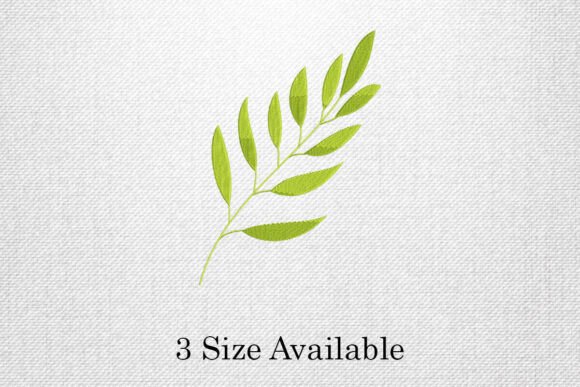
Reviewing the Beautiful Daisy Flower for Craft Fairs
As an embroidery designer who has spent countless weekends standing behind booth tables, I have learned that not every design translates equally well from a digital screen to a physical craft fair product. When I first loaded the Beautiful Daisy Flower into my software, my immediate goal was to determine if this design could carry the weight of a best-selling handmade product. In the competitive world of handmade markets, visual appeal is everything. You have seconds to catch a passerby’s eye. This review breaks down how this specific design performs in real-world scenarios, focusing on what matters most to Etsy sellers, boutique makers, and creative entrepreneurs.
First Impressions: Elegance Meets Versatility
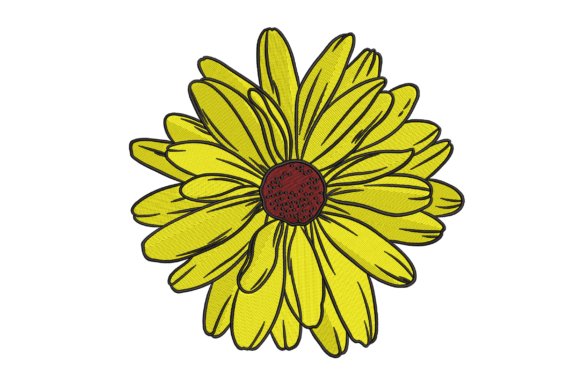
The title suggests elegance, and the description promises detailed beauty. Upon initial inspection, the Beautiful Daisy Flower strikes a balance between modern minimalism and classic charm. It does not feel overly rustic or aggressively bold; instead, it offers a soft, decorative touch that fits seamlessly into the Single Flowers Plants category. For a craft fair setting, this is crucial. A design that is too niche limits your audience, but one that is too generic gets lost in the noise. This daisy feels premium yet approachable, making it an ideal candidate for a wide range of buyers looking for giftable items.
The key selling point here is versatility. Because the design is described as "beautifully detailed," it implies enough complexity to look expensive and high-quality, without being so dense that it becomes stiff or heavy on the fabric. This balance is essential for maintaining the drape and feel of the final finished product.
Product Application and Visual Impact
When preparing a table display, variety is key. I evaluated where this machine embroidery design would stand out most among typical market offerings.
- Tote Bags and Market Bags: This is arguably the strongest application. A large-scale placement of the daisy on a canvas tote creates an instant statement piece. The tote bag design potential is high because customers love functional art. The floral motif draws attention from across the aisle, acting as a beacon for your booth.
- Aprons and Kitchen Linens: For apron embroidery and tea towel embroidery, the design works beautifully as a focal point on the bib or hem. However, you must consider the fabric texture. Terry cloth towels can swallow small details, so ensure the digitization accounts for the pile of the fabric. On smooth cotton aprons, the clarity of the petals will shine.
- Caps and Curved Surfaces: Embroidering on caps requires caution. If the daisy has wide spread or dense fill areas, it may pucker on the curved front panel. I recommend testing this as a smaller accent on the side or back of a cap rather than a large front center design, unless you are using a very stable cap frame and appropriate backing.
- Patches and Pouches: Creating an embroidered patch allows you to pre-make inventory, which is a lifesaver during busy fair hours. The daisy’s shape lends itself well to a cut-edge or merrowed border patch. Small fabric pouches also benefit from this design, provided the scale is reduced appropriately.
Production Practicality for Small Shop Owners
For any Etsy seller or small shop owner, time is money. The Beautiful Daisy Flower appears to be designed for efficiency. A major concern with floral designs is stitch density. If the petals are filled with too many stitches, the fabric will gather, and the thread cost increases. A well-digitized floral design should use a mix of satin stitches for outlines and lighter fill patterns for the petals to keep the product soft and flexible.
Batch production is another critical factor. This design seems repeatable. Once you have your hoop set up and your thread colors matched, you can run multiple units with minimal intervention. This consistency helps build brand recognition. When customers see the same high-quality daisy on a pillow cover, a tote, and a shirt, they recognize your brand’s aesthetic.
Photography is also easier with clean, recognizable shapes. The daisy provides a clear subject for your printable mockup creations and online listings. It photographs well against both light and dark backgrounds, giving you flexibility in your marketing assets.
Careful-Use Notes and Technical Considerations
While the design is promising, there are technical pitfalls to avoid. Always check the specific hoop size requirements before purchasing the digital embroidery file. If the design is large, ensure your machine can accommodate the necessary frame. Additionally, verify the file formats included to ensure compatibility with your specific machine brand.
Pay close attention to color contrast. On dark fabrics, a white or pastel daisy will pop, but you may need to adjust underlay stitches to prevent the fabric color from showing through the petals. Conversely, on light fabrics, ensure the outline stitches are distinct enough to define the shape. Tiny details can get lost if the stitch length is too long or if the stabilizer is insufficient.
Speaking of stabilizer, always match your backing to your fabric. A cut-away stabilizer is often best for stretchy t-shirts to prevent distortion, while a tear-away might suffice for stable woven linens. Neglecting this step can ruin the professional look of your commercial embroidery work.
Enhancing Brand Consistency and Buyer Engagement
Using a cohesive set of design assets like the Beautiful Daisy Flower helps strengthen your booth display. When your products share a common visual language, your table looks curated rather than cluttered. This professionalism increases perceived value. Customers are more likely to engage with a booth that looks organized and intentional.
This design supports that goal by being adaptable. You can use it to create a themed collection—perhaps "Spring Garden" or "Minimalist Botanicals." This thematic approach encourages multiple purchases, as buyers often want matching items, such as a tote and a matching pouch.
Designer’s Checklist for Success
Before you commit to producing a full line of inventory, follow these practical steps:
- Test on Scrap Fabric: Never skip this. Stitch out the design on the exact fabric type you plan to sell. Check for puckering, thread breaks, or registration issues.
- Check Thread Contrast: Ensure your chosen thread palette complements the fabric. High contrast sells better from a distance.
- Review Spacing and Density: Feel the back of the embroidery. It should not feel like a plastic plate. If it does, the density is too high.
- Create Real Mockups: Take photos of your test stitches. Use these for your Etsy listings and social media previews.
- Confirm Licensing: Ensure the license terms allow for commercial use if you are selling finished physical goods. Most designers allow this, but always verify.
In conclusion, the Beautiful Daisy Flower is a strong contender for any small shop product lineup. Its blend of elegance and simplicity makes it suitable for a wide array of applications, from home decor to wearable art. By paying attention to technical details like stabilizer choice and stitch density, you can transform this Embroidery design into a profitable staple of your craft fair business. Remember, the best designs are those that look effortless to the customer but are engineered with precision by the creator.