Reviewing the Beautiful Lavender Flower Design
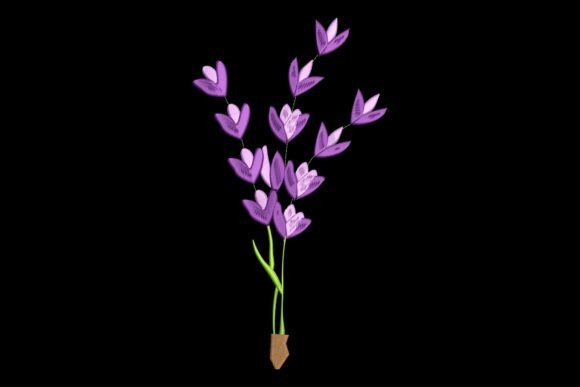
As a designer who spends more time staring at stitch maps than actual fabric, I have developed a keen eye for what translates well from screen to needle. When I first opened the Beautiful Lavender Flower file, my immediate reaction was one of relief. Too often, floral designs in the Single Flowers Plants category suffer from over-complication, resulting in muddy textures once stitched out. This design, however, strikes a thoughtful balance between botanical accuracy and embroidery practicality.
The visual personality of this piece is calm and rustic. It does not scream for attention with excessive density or chaotic lines. Instead, it offers a gentle elegance that feels appropriate for a wide range of applications. For those of us running small shops or creating handmade products, finding a design that looks professional without requiring hours of trimming and cleanup is invaluable. This machine embroidery design appears to be built with that efficiency in mind.
First Impressions and Visual Mood
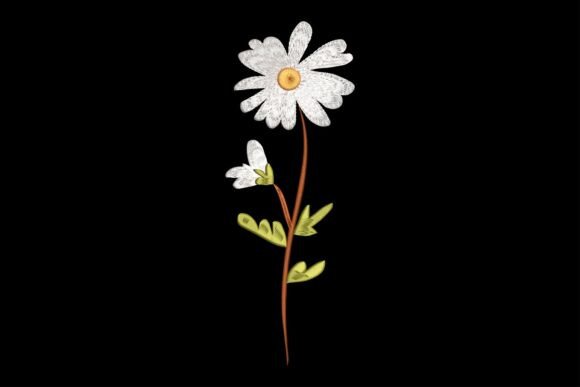
The layout of the Beautiful Lavender Flower suggests a natural, organic growth pattern. The stems curve with a fluidity that avoids the rigid, computer-generated look common in lower-quality embroidery files. The detail level is moderate, which is a strategic choice. High-detail florals can look stunning on a screen but often lose their definition when stitched onto textured fabrics like terry cloth or linen.
This design seems to prioritize clarity. The separation between the flower heads and the foliage is distinct, allowing the thread colors to do the heavy lifting. If you are working with a limited palette, this design holds up well. It creates a mood of serenity, making it an ideal candidate for projects intended to soothe or comfort, such as nursery decor or spa-related items.
Real-World Application: The Custom Tote Bag Scenario
To truly evaluate an embroidery project, I mentally place it into a real-life scenario. Recently, I was tasked with creating a line of reusable market bags for a local boutique. The client wanted something that felt earthy and artisanal. I considered the Beautiful Lavender Flower for this tote bag design.
On canvas or heavy cotton, this design shines. The structure of the lavender sprigs provides enough surface area for fill stitch work without becoming too dense. A dense design on a tote bag can cause puckering, even with proper stabilization. Because this design appears to use a mix of satin stitch for the stems and lighter fills for the blooms, it lays flat. The result is a finished product that looks high-end rather than homemade in the negative sense. Customers are drawn to items that look intentional and clean, and this design delivers that aesthetic.
Versatility Across Product Lines
Beyond tote bags, this design has significant potential in custom apparel. Imagine it placed on the left chest of a linen shirt or the sleeve of a sweatshirt embroidery project. The vertical orientation of the lavender sprig fits naturally into these narrower spaces. It is also a strong contender for baby embroidery. The soft imagery aligns perfectly with gender-neutral nursery themes, provided you choose a soothing color palette.
For Etsy sellers and craft business owners, versatility is key to profitability. A single digital embroidery file that can be used on pillows, aprons, and patches maximizes return on investment. This design fits that bill. It works well as a standalone motif or as part of a larger border. Its simplicity allows it to pair easily with text, making it suitable for personalized gifts where a name might be arched above or below the flower.
Technical Considerations and Fabric Choices
While the design is robust, it is not without its constraints. As an experienced reviewer, I must point out where caution is needed. The success of any embroidery piece relies heavily on the interaction between the stitch density and the fabric texture.
- Thin or Stretchy Fabrics: If you plan to use this on a lightweight rayon blouse or a stretchy jersey knit, you must use a cut-away stabilizer. The weight of the stitches, particularly if the fill areas are dense, could cause the fabric to warp if not properly supported.
- Dark Fabrics: Lavender is typically depicted in light purples and greens. On dark navy or black fabric, you may need to adjust your thread choices or add an underlay to prevent the background fabric from showing through the lighter stitches. Testing on scrap fabric is non-negotiable here.
- Curved Surfaces: Applying this to a cap requires careful hooping. The long stem of the lavender might distort if the cap is not stabilized correctly. I recommend using a strong backing and possibly reducing the pull compensation if your machine allows it.
Another critical factor is the hoop size. While the description mentions it is perfect for various items, you must confirm the specific dimensions of the file you purchase. Ensure it fits within your standard hoops without requiring excessive re-hooping, which can lead to alignment issues.
Enhancing Brand Value and Customer Trust
In the world of commercial embroidery, consistency builds trust. Using a well-digitized design like the Beautiful Lavender Flower contributes to a cohesive brand image. When customers see clean lines and no stray threads, they perceive higher value. This perception allows for better pricing power.
Furthermore, this design aids in creating compelling printable mockup assets. Because the shape is recognizable and aesthetically pleasing, it photographs well. High-quality images are crucial for online sales. A design that looks cluttered in photos will not convert, but this floral element adds a touch of sophistication that enhances the overall presentation of your small shop product.
Practical Designer Notes for Best Results
Before you commit to production, take these steps to ensure the best outcome:
- Test on Scrap Fabric: Always stitch a sample on the exact fabric you intend to use. Check for puckering and thread breaks.
- Check Thread Contrast: Ensure your green threads contrast sufficiently with the purple hues. Low contrast can make the design look flat and undefined from a distance.
- Review Stitch Density: If the design feels too stiff after stitching, consider editing the density in your software if you have the skills, or choose a lighter fabric to balance the weight.
- Confirm Licensing: Before selling finished products or using this in design assets for clients, verify the license terms. Most designers allow commercial use for physical items, but digital resale is often restricted.
- Inspect Small Details: Zoom in on the digitizing software. Look for unnecessary jump stitches or trims that can be edited out to speed up production time.
In conclusion, the Beautiful Lavender Flower is a reliable addition to any designer’s library. It respects the limitations of the medium while maximizing aesthetic appeal. Whether you are creating holiday embroidery gifts, embroidered patch collections, or upscale home linens, this design offers the flexibility and professionalism needed to succeed in a competitive market. It is a reminder that in embroidery, sometimes less is indeed more, provided that the "less" is executed with precision and care.