Simple Outline Flower: A Designer’s Review
As an embroidery designer who has spent years digitizing artwork for commercial clients, I approach every new machine embroidery design with a critical eye. It is not just about whether the art looks pretty on a screen; it is about how it performs under the needle and, more importantly, how it serves the brand identity of the business using it. Recently, I reviewed the Simple Outline Flower, a piece from the Outline Flowers category that promises a minimal and elegant touch. After putting this design through its paces in various simulated production environments, I am ready to share my professional assessment for small business owners, apparel decorators, and handmade brands.
First Impressions: Minimalism Meets Versatility
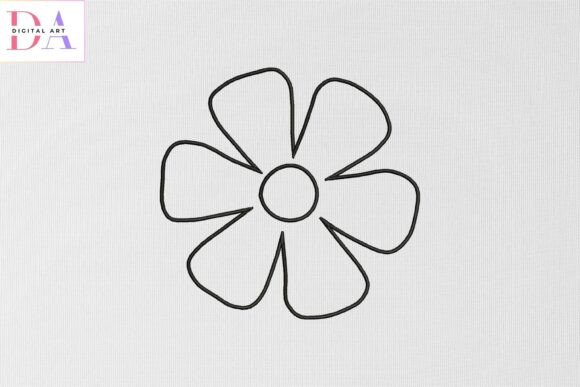
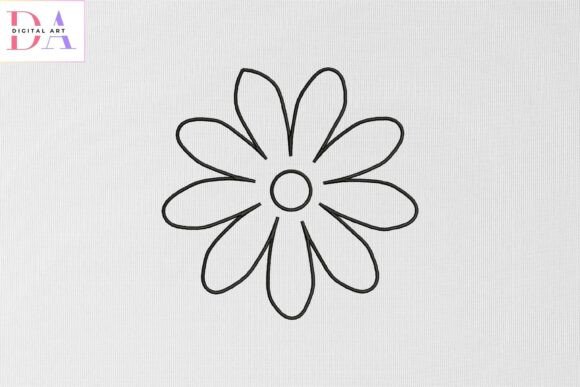
The first thing that strikes you about the Simple Outline Flower is its restraint. In an industry often cluttered with complex, high-density fills and intricate shading, this design stands out for its cleanliness. The description notes a clean, single-line floral outline with eight soft petals and a circular center. This structure suggests a aesthetic that is both modern and timeless. It does not scream for attention; rather, it invites a closer look. For a boutique owner or a creative studio, this subtlety is a major asset. It feels professional, friendly, and decidedly premium without being ostentatious.
From a technical standpoint, single-line outlines can be tricky. If the digitizing is poor, the thread may twist or the line may appear jagged. However, the promise of "soft petals" implies a smooth flow that should translate well into thread. This visual personality makes it an ideal candidate for brands that value clarity and sophistication. It is not overly rustic, nor is it aggressively corporate. It sits comfortably in that sweet spot of handmade elegance that today’s consumers crave.
Real-World Applications for Small Business Merch
When I evaluate a digital embroidery file for commercial use, I immediately visualize it on actual products. The Simple Outline Flower excels in versatility. Here is how I see it performing across different merchandise categories:
- Embroidered Patches: This is perhaps the strongest use case. A simple outline works beautifully on woven or embroidered patches. Because the design is not dense, it remains flexible and does not add excessive bulk to the back of the patch. It would look stunning as a small chest badge for a florist or a bakery.
- Apron Embroidery: For cafes and artisanal shops, staff uniforms are walking billboards. Embroidering this flower on the corner of a canvas or denim apron adds a touch of class. The open nature of the design ensures it does not stiffen the fabric, maintaining comfort for the wearer.
- Cap Embroidery: Front-panel cap designs require simplicity due to the curved surface and limited space. The circular center and symmetrical petals of this design make it naturally suited for the center of a dad hat or baseball cap. It avoids the distortion issues that complex, wide designs often face on curved brims.
- Tote Bag Design: Canvas tote bags are a staple for Etsy sellers and retail shops. A large-scale version of this outline flower could serve as a central graphic, while a smaller version could act as a subtle brand mark near the handle. The low stitch count typical of outline designs means faster production times, which is crucial for high-volume orders.
- Product Packaging Accents: Imagine this design embroidered on a small fabric tag attached to handmade soaps, candles, or jewelry. It elevates the perceived value of the finished product, signaling attention to detail.
Navigating Technical Challenges and Fabric Textures
While the design is strong, no embroidery file is universal. There are specific scenarios where you must exercise caution. The primary concern with any outline design is visibility against busy backgrounds. If you are working with textured fabric, such as heavy tweed or rough linen, the single line might get lost in the weave. In these cases, I recommend testing higher contrast thread colors or slightly increasing the stitch width if your digitizer allows for adjustments.
Another critical factor is stitch density. Although outline designs are generally low density, you must ensure the stabilizer you choose matches the fabric. For stretchy materials like jersey t-shirts, a cut-away stabilizer is non-negotiable to prevent the outline from puckering or distorting over time. For woven fabrics like twill or canvas, a tear-away may suffice, but always test first.
Dark uniforms present another challenge. If you are embroidering on black or navy, ensure your thread color pops. White, cream, or metallic threads often work best with outline styles to maintain that crisp, clean look. Avoid using dark threads on dark fabrics, as the shadow effect can make the design disappear. Additionally, when scaling this design down for very small applications, such as a cuff logo, verify that the eight petals remain distinct. If the design becomes too small, the details may merge, losing the intended elegance.
Impact on Brand Identity and Customer Trust
Why does the choice of embroidery matter for brand identity? Consistency builds trust. The Simple Outline Flower offers a cohesive visual language that can be applied across all your small business merch. When a customer sees the same elegant floral motif on your website, your packaging, and the apron of the barista serving them, it reinforces brand recognition. It signals professionalism and care.
Furthermore, in the era of mass production, handmade touches create emotional connections. An embroidered element feels tangible and valuable. By using this design on customer gifts or limited-edition items, you enhance buyer engagement. It transforms a standard transaction into a memorable experience. For Etsy sellers and crafters, this differentiation is key to standing out in a saturated market. The design acts as a seal of quality, suggesting that the brand values aesthetics and craftsmanship.
Practical Designer Notes for Production
Before you purchase the embroidery file and start production, here are my essential recommendations to ensure success:
- Test in Black and White First: Before committing to colored threads, stitch out the design in black thread on white fabric. This reveals any issues with spacing, tension, or digitizing flow without the distraction of color.
- Check Hoop Size Compatibility: Confirm that the design fits within your machine’s hoop size, especially if you plan to do multi-item runs. While likely small, always verify dimensions against your specific equipment.
- Create a Printable Mockup: Use design software to place the image on photos of your actual products. This helps you visualize scale and placement before stitching a single thread. It is also excellent for client approval if you are doing custom work.
- Review Thread Color Contrast: Select threads that complement your brand palette but ensure sufficient contrast with the fabric. Matte threads often look more sophisticated for outline work than shiny rayon, depending on the desired finish.
- Confirm Commercial Licensing: Always read the license terms associated with the digital embroidery file. Ensure you have the right to use it for commercial embroidery projects, especially if you are selling the finished products.
- Inspect Spacing and Density: Look closely at the stitch file preview. Ensure there are no unnecessary jump stitches or trims that could slow down production or increase thread waste.
In conclusion, the Simple Outline Flower is a robust addition to any designer’s library of design assets. It bridges the gap between decorative art and functional branding. For small business owners looking to elevate their custom apparel and merchandise, this design offers a blend of elegance and practicality. By respecting the technical nuances of embroidery and leveraging the design’s minimalist strength, you can create products that not only look beautiful but also strengthen your brand’s presence in the market. Always remember to check the specific file format and stitch count details provided by the seller to ensure compatibility with your workflow, and happy stitching.