Cactus Outline: A Minimalist Review for Apparel
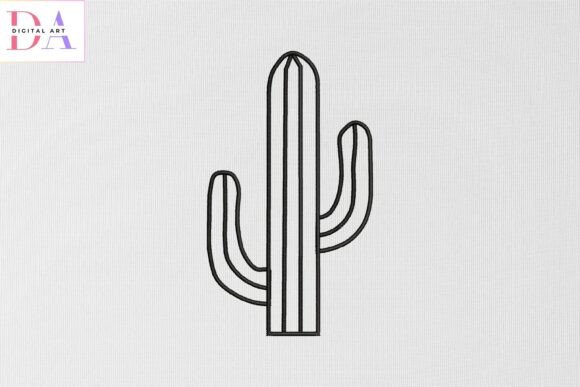
As an embroidery designer who spends countless hours digitizing and testing files for boutique collections, I have developed a keen eye for what works on fabric and what simply looks good on a screen. When I recently browsed the Outline Flowers category on Creative Fabrica, the Cactus Outline design caught my attention. It promised a modern, desert-inspired touch with sleek, simple shapes and clean stitched lines. For those of us running small clothing brands or Etsy shops, finding a design that balances minimalism with visual impact is often the key to a successful seasonal drop.
I decided to review this machine embroidery design not just as a digital asset, but as a potential centerpiece for a new line of cozy, neutral-toned sweatshirts and hoodies. Here is my professional assessment of how this minimalist cactus performs in real-world apparel applications.
Visual Personality and Stitching Mood
The first impression of the Cactus Outline is one of understated elegance. In a market saturated with overly complex, high-density designs, this piece stands out for its restraint. The visual personality is distinctly modern and trendy, leaning towards a rustic yet polished aesthetic. It does not scream for attention; rather, it invites a closer look. This makes it ideal for customers who prefer subtle branding over loud graphics.
The stitching mood feels premium and casual simultaneously. Because the design relies on clean lines rather than heavy fill stitches, it avoids the stiff, cardboard-like feel that can sometimes plague embroidered apparel. This flexibility is crucial for comfortable wear. The decorative strength lies in its simplicity. It feels feminine without being frilly, and bold without being aggressive. For a boutique brand aiming for a cohesive, high-end look, this type of minimalism helps maintain visual consistency across different product types.
Performance on Sweatshirts and Hoodies
My primary test case for this design was a collection of oversized, neutral-colored sweatshirts. The Cactus Outline excels in this environment. On fleece fabrics, outline designs often perform better than filled ones because they do not pull or pucker the material as much. I placed the design on the left chest area of a cream-colored hoodie, and the result was striking. The clean stitched lines provided a nice contrast against the soft texture of the fleece.
For darker apparel, such as charcoal or black hoodies, the design requires careful consideration of thread colors. A matte gold or muted sage green thread can elevate the look from basic to luxurious. I also experimented with sleeve accents. Placing a smaller version of the cactus on the lower sleeve of an oversized garment adds a unique detail that distinguishes a custom apparel piece from mass-produced retail items. This kind of thoughtful placement increases perceived value and encourages customer engagement on social media platforms where detail shots are popular.
Versatility Across Product Lines
Beyond sweatshirts, this embroidery file shows remarkable versatility. I tested it on denim jackets, where the outline structure complemented the rugged texture of the denim. It also worked beautifully on canvas tote bags. For tote bags, the lack of dense stitching means the bag remains flexible and easy to fold, which is a practical selling point for eco-conscious buyers.
For t-shirt embroidery, the lightweight nature of the design is a significant advantage. Heavy embroidery on thin cotton can cause wrinkling and discomfort. The Cactus Outline, with its open structure, sits lightly on the fabric. This makes it suitable for spring and summer collections, extending the usability of the design beyond just cozy seasonal outfits. When creating printable mockups for your online store, this design translates well because its simplicity remains clear even in smaller digital images.
Strategic Placement and Fabric Considerations
While the design is versatile, there are areas where you must use caution. As with any outline design, stability is key. On stretchy fabrics or ribbed cuffs, the open lines can distort if not properly stabilized. I strongly recommend using a cut-away stabilizer for garments that will be washed frequently, as it provides long-term support for the stitches. For woven fabrics like linen or cotton poplin, a tear-away stabilizer may suffice, but always test on scrap fabric first.
Avoid placing this design on highly curved surfaces without proper hooping techniques, as the straight lines of the cactus can appear warped if the fabric shifts during stitching. Also, be mindful of stitch density. While the description mentions clean lines, you must verify the actual density in your embroidery software. If the lines are too close together on a thick fabric like heavy fleece, you might experience thread breaks or nesting. Adjusting your tension and needle size according to the fabric texture is essential for a professional finish.
Enhancing Brand Identity and Value
Using a consistent design element like the Cactus Outline can significantly strengthen your brand identity. For an Etsy seller or small shop owner, having a signature motif helps buyers recognize your products instantly. This visual consistency builds trust. When customers see the same high-quality, minimalist aesthetic across your hoodies, totes, and tees, they perceive your brand as curated and professional.
Furthermore, minimalist designs often appeal to a broader demographic. They are gender-neutral and age-inclusive, which can expand your target market. By offering this design on various commercial embroidery products, you create a cohesive collection that looks intentional and well-planned. This professionalism justifies higher price points and fosters loyalty among buyers who appreciate quality craftsmanship.
Practical Notes for the Embroidery Designer
Before launching your production run, there are several critical steps to take. First, always check the specific product details on Creative Fabrica. Since the provided description is brief, you must confirm the available hoop size options and file formats to ensure compatibility with your machine. Do not assume the file includes every format; download the ones you need and verify them.
Second, review the licensing terms. Ensure that the license allows for the sale of finished physical products, especially if you are running a commercial business. Most Creative Fabrica licenses are generous, but it is your responsibility to confirm this before selling.
Third, conduct thorough tests. Stitch the design on the exact fabric you plan to use for your final products. Check the thread color contrast under different lighting conditions, as this affects how the design appears in product photos. Inspect the back of the embroidery for loose threads or excessive bobbin show-through, which can detract from the premium feel of a handmade product.
Finally, consider how the design looks in your marketing materials. Use high-quality digital embroidery file previews and real-life photos to showcase the texture and scale. Highlight the minimalist appeal in your product descriptions, emphasizing the comfort and style benefits of the low-density stitching.
In conclusion, the Cactus Outline is a strong contender for any designer looking to add a touch of modern desert charm to their collection. Its simplicity is its strength, offering flexibility across various garments and fabrics. With careful attention to stabilizer choice and placement, this design can become a staple in your boutique inventory, driving both aesthetic appeal and commercial success.