Simple Cactus: A Minimalist Review for Modern Embroidery
As a designer who has spent years digitizing patterns and testing them on everything from flimsy silk to heavy denim, I have learned that simplicity is often the hardest thing to get right. When I first loaded the Simple Cactus machine embroidery design into my software, I was looking for clean lines and balanced stitch density. What I found was a refreshing departure from the overly complex, thread-heavy motifs that dominate many online marketplaces. This piece belongs to the Single Flowers Plants category, yet it avoids the clutter often associated with botanical designs. Instead, it offers a bold, graphic presence that feels contemporary and versatile.
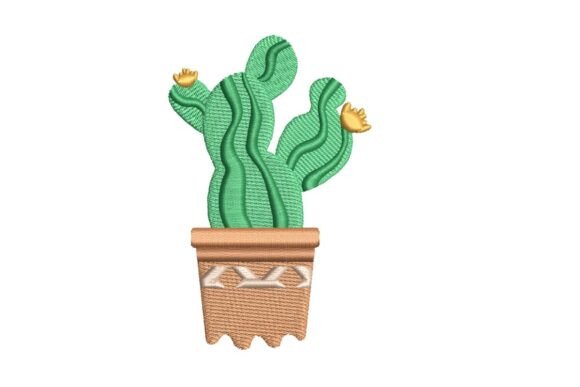
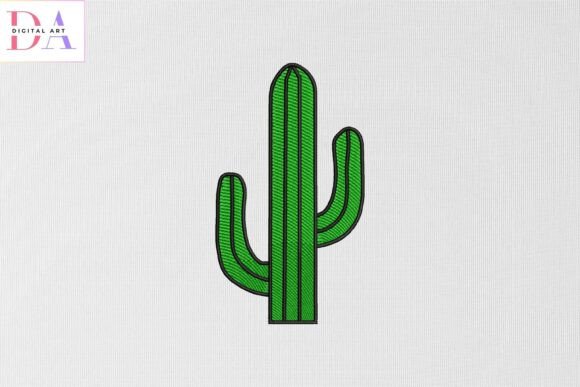
The immediate impression is one of calm desert charm. The design features a minimal cactus shape defined by bold green stitching and sharp black outlines. For an experienced eye, this contrast is crucial. It ensures that the motif remains legible even from a distance, which is a key consideration when creating products for retail or gifts. The visual personality is friendly but structured, making it an ideal candidate for modern home decor and casual apparel.
Real-World Application: The Tote Bag Test
To truly evaluate an embroidery file, you must move beyond the screen and onto fabric. I recently used Simple Cactus for a custom order involving a set of canvas tote bags for a local boutique. The client wanted something that screamed "eco-friendly" without being cliché. This design fit the brief perfectly. Because the shape is compact and the stitch count appears moderate, it did not distort the lightweight canvas, provided the right stabilizer was used.
The black outlines acted as a frame, keeping the green fill stitches contained and crisp. On the natural beige fabric, the colors popped without looking garish. This is where the design shines: it translates well into a finished product that looks professional rather than homemade in the amateur sense. For Etsy sellers and small shop owners, this level of polish is what drives repeat customers. The design does not require hours of trimming or cleanup, which is a significant time-saver for anyone running a craft business.
Versatility Across Apparel and Home Decor
Beyond tote bags, I see strong potential for Simple Cactus in custom apparel. Imagine this embroidered on the left chest of a heather grey sweatshirt. The minimal nature of the cactus prevents the garment from looking busy, allowing the texture of the fabric to complement the stitching. It works equally well as a central motif on a baby onesie, where soft thread colors and low stitch density are preferred for comfort against sensitive skin.
For those interested in creating embroidered patches, this design is a standout. The bold black outline provides a natural border that can be easily cut around, whether you are using a merrowed edge or a simple satin stitch border. Patches are a high-margin item for many creative entrepreneurs, and a recognizable, cute icon like this cactus can become a signature element of a brand’s identity. It also translates beautifully to kitchen towels and aprons, adding a touch of whimsy to functional items.
Navigating Fabric and Hoop Constraints
While Simple Cactus is robust, no design is universal. I advise caution when working with highly textured fabrics like thick terry cloth or loose-weave linens. The fine details of the black outline might get lost if the fabric pile is too high. In such cases, using a cut-away stabilizer is non-negotiable to maintain shape integrity. Similarly, when embroidering on stretchy materials like jersey knits for t-shirts, ensure your hoop size is appropriate and that you use a stabilizer that counteracts the pull of the needle.
Curved surfaces, such as caps, present another challenge. The flat, graphic nature of this cactus design needs a stable, flat area to look its best. Placing it on the front panel of a structured cap works, but avoid placing it too close to the seams where the fabric curves sharply. Always test the design on scrap fabric first. This step allows you to check thread color contrast and adjust tension before committing to your final product. If you are using dark fabric, consider whether the green thread has enough brightness to stand out, or if a slight underlay adjustment is needed in your digitizing software.
Commercial Value and Brand Consistency
For commercial embroidery projects, consistency is king. Simple Cactus offers a reliable aesthetic that can be scaled across different product lines. Whether you are creating holiday embroidery for Christmas stockings or personalized gifts for weddings, the design maintains its clarity. This reliability builds customer trust. When a buyer sees a clean, well-executed stitch-out, they perceive higher value in the handmade product.
Digital product sellers can also leverage this design effectively. Creating printable mockups with Simple Cactus allows potential buyers to visualize the end result on various items. High-quality previews increase engagement and conversion rates. However, always confirm licensing terms before selling finished items or digital embroidery files. Understanding whether the license permits commercial use is essential for protecting your business and respecting the original creator’s rights.
Technical Notes for the Practical Designer
Before you start stitching, take a moment to review the technical aspects of the file. Check the stitch density to ensure it aligns with your machine’s capabilities and your chosen fabric. While the design appears minimal, verify that the jump stitches are optimized to reduce thread waste and trimming time. Inspect small details closely; sometimes, tiny elements can cause breaks if the needle size is too large for the thread weight.
Thread selection plays a pivotal role here. A matte cotton thread might give a rustic, organic feel suitable for nursery decor, while a shiny rayon thread could add a vibrant, pop-art vibe for trendy apparel. Test both to see which aligns with your brand voice. Additionally, compare how the design looks in black and white mockups. If it holds up in monochrome, you know the shape and contrast are strong, which is a hallmark of good design architecture.
In conclusion, Simple Cactus is a thoughtful addition to any designer’s library. It balances aesthetic appeal with practical usability, making it suitable for a wide range of embroidery projects. From small shop products to bespoke personalized gifts, it delivers a clean, professional finish that resonates with modern tastes. By paying attention to fabric choice, stabilizer type, and thread contrast, you can maximize the potential of this design and create items that truly stand out in the marketplace.