Minimalist Tulip: A Seasonal Embroidery Review
As an embroidery designer who spends countless hours digitizing and testing files for seasonal collections, I approach every new design with a critical eye. We are not just looking for pretty pictures; we are looking for products that sell, stitch out cleanly, and resonate with customers during the high-pressure holiday shopping windows. When I first loaded the Minimalist Tulip into my software, the immediate impression was one of refined calm. In a market often saturated with overly complex, heavy-fill holiday motifs, this design offers a breath of fresh air. It belongs to the Single Flowers Plants category, yet it carries enough weight to stand alone as a premium feature on any finished product.
The Aesthetic Appeal and Seasonal Mood
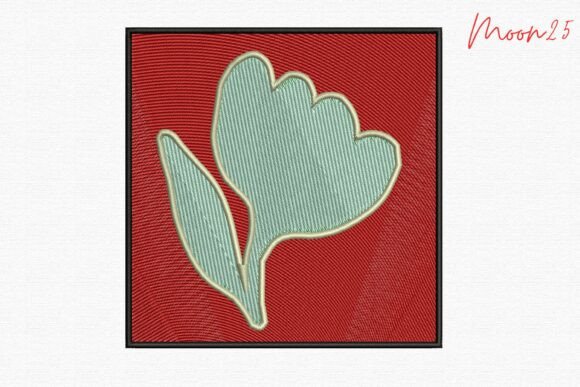
The Minimalist Tulip is defined by its elegant simplicity. The design showcases a simple yet refined floral silhouette, crafted with smooth satin stitches and a clean outline. What strikes me most is the emotional tone it sets. It is not aggressively festive in the traditional red-and-green sense. Instead, it feels modern, romantic, and subtly nostalgic. The soft mint green petals contrast beautifully against neutral backgrounds, creating a look that is both cozy and sophisticated.
For Etsy sellers and small business owners, this versatility is gold. While many holiday embroidery designs are restricted to December, this tulip bridges the gap between late winter, early spring, and year-round elegance. It fits perfectly into a "Slow Living" or "Cottagecore" aesthetic, which remains incredibly popular among buyers looking for meaningful, handmade items. Whether you are targeting Valentine’s Day, Mother’s Day, or simply offering a serene winter collection, this design adapts effortlessly.
Strategic Product Applications for Holiday Sales
When planning a seasonal shop collection, I always ask: "Where does this design add the most value?" The Minimalist Tulip is exceptionally versatile across various substrates. Here is how I envision using this machine embroidery design in a real-world retail scenario:
- Sweatshirt Embroidery: Placed on the left chest or centered on the back of a cream or oatmeal-colored hoodie, this design elevates a basic garment into a boutique-style piece. The clean lines prevent the fabric from puckering, ensuring a professional look.
- Tote Bag Design: Canvas totes are staple holiday gifts. The bold outline of the tulip holds up well against the textured weave of canvas, making it an ideal tote bag design for book lovers and eco-conscious shoppers.
- Kitchen Towel Embroidery: For those building a home decor line, stitching this onto linen or waffle-weave towels creates an instant heirloom feel. It pairs wonderfully with personalized initials, turning a simple towel into a cherished personalized gift.
- Pillow Cover Accents: A single tulip embroidered on the corner of a neutral pillow cover adds a touch of nature indoors. This is perfect for customers refreshing their living spaces for the new year.
- Embroidered Patch: If you offer accessories, this design scales down nicely for iron-on or sew-on patches. These can be added to denim jackets or backpacks, appealing to a younger demographic looking for unique customization.
Navigating Technical Challenges and Fabric Choices
While the design is beautiful, practical application requires attention to detail. As a designer, I must warn against complacency. Even simple designs can fail if the technical setup is incorrect. Here are the areas where you need to exercise caution when using this digital embroidery file:
Fabric Texture and Stabilizer: The smooth satin stitches require a stable foundation. On thick towels or fluffy fleece, you must use a cut-away stabilizer to prevent the stitches from sinking into the pile. Conversely, on lightweight silks or rayons used for summer apparel, a tear-away stabilizer might suffice, but testing is crucial to avoid hoop burn.
Thread Colors and Contrast: The description mentions soft mint green petals. While lovely, mint can disappear on white or very light gray fabrics. I strongly advise test stitching on both light and dark fabrics. For dark garments, consider using a slightly brighter or pastel green to ensure the thread colors pop. Alternatively, use a contrasting outline color to define the shape against dark backgrounds.
Stitch Density and Hoop Size: Since specific technical data like exact stitch count or recommended hoop size is not provided in the brief, you must check these details in your software before purchasing or selling. Ensure the stitch density is appropriate for the garment. Too dense, and you risk perforating delicate fabrics; too sparse, and the design may look unfinished. Always confirm the maximum dimensions to ensure it fits your intended product, whether it’s a small baby onesie or a large apron.
Boosting Brand Value and Customer Trust
In the competitive landscape of commercial embroidery, consistency builds trust. The Minimalist Tulip helps establish a cohesive brand identity. Because it is understated, it signals quality and taste. Customers often associate minimalist designs with higher price points because they resemble high-end fashion branding rather than mass-produced novelty items.
When creating printable mockup graphics for your online store, this design shines. Its clean lines translate well into digital previews, allowing potential buyers to visualize the handmade gift clearly. Use these mockups in social media previews to highlight the texture of the stitches. Show close-ups of the satin work to prove the quality of your production. This transparency increases engagement and reduces hesitation during the checkout process.
Practical Designer Notes for Implementation
- Test Before You Sell: Never assume a file is perfect. Stitch out a sample on the exact fabric you plan to sell. Check for thread breaks, jumps, or alignment issues.
- Color Palette Planning: Create matching color palettes for your seasonal drop. Pair the mint tulip with soft blush, slate blue, or warm beige threads to create a harmonious collection.
- Licensing Verification: Always confirm commercial licensing terms before selling finished seasonal products. Ensure your purchase of the embroidery file grants you the right to sell physical items made with the design.
- Care Instructions: Educate your customers on how to care for their items. Satin stitches can snag if washed roughly. Providing care cards enhances the perceived value of your small shop product.
In conclusion, the Minimalist Tulip is more than just a floral motif; it is a strategic asset for your seasonal embroidery lineup. It balances aesthetic beauty with practical usability, making it suitable for a wide range of applications from sweatshirt embroidery to delicate linens. By paying attention to fabric choices, stabilizer types, and color contrast, you can leverage this design to create high-value, emotionally resonant products that stand out in the holiday marketplace. Embrace the elegance of simplicity, and let this refined silhouette bring a touch of natural grace to your customers' lives.