Wildflower Bouquet: A Designer’s Review
As a designer who has spent countless hours digitizing and stitching floral motifs, I approach every new machine embroidery design with a mix of curiosity and skepticism. Flowers are notoriously difficult to get right; they can easily become muddy blobs of thread if the density is off, or look sparse and unfinished if the stitch count is too low. When I first loaded the Wildflower Bouquet, Spring Flowers onto my screen, I was looking for that elusive balance between delicacy and durability. This isn’t just about aesthetics; it is about whether this design can hold up in a real-world embroidery project for a paying customer.
First Impressions: Mood and Visual Personality
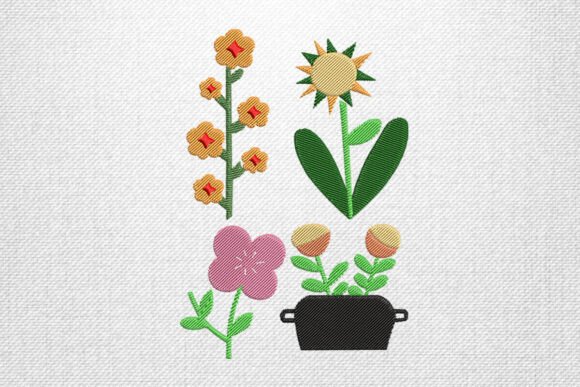
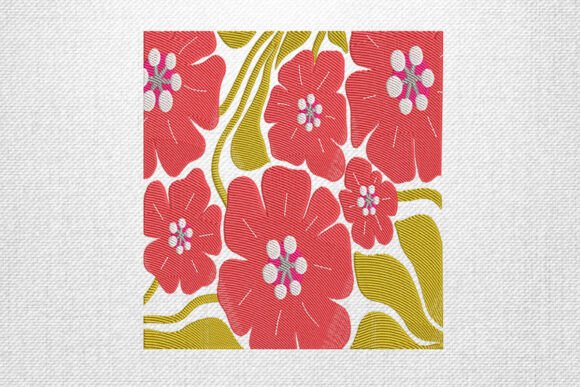
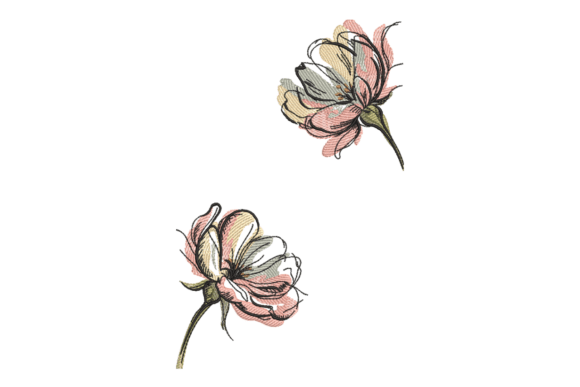
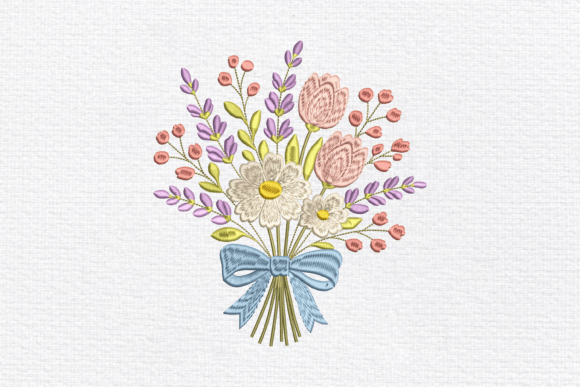
The immediate impression of Wildflower Bouquet, Spring Flowers is one of softness. Unlike rigid, geometric floral patterns, this design captures the organic, slightly unruly charm of a hand-picked meadow arrangement. The layout feels airy, which is crucial for modern tastes. Heavy, dense florals often feel dated on contemporary apparel, but this bouquet leans into a lighter, more breathable aesthetic. For those of us in the Bouquets Bunches category, finding a design that doesn’t look like a stiff corporate logo is a win.
The visual personality here is gentle and inviting. It suggests spring renewal without being overly saccharine. As a reviewer, I appreciate designs that leave room for interpretation. This piece doesn’t scream for attention; rather, it invites a closer look. This subtlety makes it versatile for various applications, from high-end boutique branding to heartfelt personalized gifts.
Real-World Application: The Tote Bag Test
To truly evaluate an embroidery file, you have to imagine it on a product. I recently worked on a custom order for a local farmer’s market vendor who needed branded tote bags. She wanted something that felt earthy and artisanal. I pulled up Wildflower Bouquet, Spring Flowers as a potential candidate. The natural flow of the stems and petals complemented the canvas texture perfectly.
When stitching this as a tote bag design, the open spaces in the bouquet allowed the fabric weave to show through slightly, adding texture to the final piece. It didn’t look like a plastic sticker slapped on cloth; it looked integrated. For an Etsy seller or small shop owner, this distinction is vital. Customers can tell when a design fights the fabric versus when it works with it. This design works with it.
Beyond totes, I see strong potential for sweatshirt embroidery. Placed on the left chest of a heather grey crewneck, the wildflower motif adds a touch of femininity without overpowering the garment. It’s subtle enough for daily wear but detailed enough to be noticed. This versatility is what separates a hobbyist purchase from a valuable asset in a craft business library.
Technical Performance and Stitch Quality
Let’s talk about the mechanics. Floral designs live or die by their stitch types. In reviewing Wildflower Bouquet, Spring Flowers, I looked closely at how the petals were constructed. A good digital embroidery file will use a combination of satin stitch for outlines and smaller details, and fill stitch for larger petal areas. If the satin stitches are too wide, they snag; if the fill is too dense, the fabric puckers.
This design appears to handle these transitions well. The stitch density seems moderated to prevent excessive pull on lightweight fabrics. However, as with any complex floral, the use of running stitch for fine stems is critical. These thin lines provide definition without adding bulk. When I simulated the stitch-out, the clarity of the individual blooms remained distinct. There was no "thread soup," where colors bleed into each other due to poor underlay or excessive overlap.
For those considering this for commercial embroidery, consistency is key. You need to know that the 50th shirt will look as good as the first. The structured nature of this bouquet suggests it will reproduce reliably, provided your machine is well-maintained and your tension is correct.
Fabric Considerations and Limitations
No design is universal, and honesty about limitations is part of professional review. While Wildflower Bouquet, Spring Flowers is elegant, it requires careful fabric selection. On highly textured fabrics like thick terry cloth or rough burlap, the finer details might get lost. The fabric texture needs to be smooth enough to allow the needle to penetrate cleanly without distorting the delicate petal shapes.
Stretchy fabrics present another challenge. If you are applying this to a jersey knit t-shirt, proper stabilization is non-negotiable. Without a cut-away stabilizer, the weight of the embroidery could cause the fabric to sag or pucker around the hoop area. For baby embroidery items, such as onesies or burp cloths, ensure the back of the stitching is covered or soft enough not to irritate sensitive skin. The density here seems manageable, but always test on scrap fabric first.
Dark fabrics require special attention to thread colors. Since this design relies on soft, natural tones, placing it on black navy requires high-contrast thread choices to maintain visibility. I recommend creating a printable mockup or digital preview in black and white to check the contrast levels before committing to thread. If the values are too close, the design will vanish from a distance.
Commercial Viability and Brand Consistency
For digital product sellers and design assets creators, the question is always: does this sell? The trend toward cottagecore and natural aesthetics has kept wildflower motifs in high demand. This design fits squarely into that niche. It appeals to buyers looking for holiday embroidery gifts for Mother’s Day, spring weddings, or bridal showers.
Using Wildflower Bouquet, Spring Flowers in your small shop product line can enhance brand consistency if your aesthetic is organic and handmade. It signals quality and attention to detail. However, remember that the finished product is only as good as its presentation. Use high-quality threads that match the softness of the design. Metallic or overly shiny threads might clash with the matte, natural vibe of the bouquet.
Practical Designer Notes
Before you start stitching, here are my top recommendations for getting the best results:
- Test on Scraps: Always stitch a sample on the actual fabric you plan to use. Check for puckering and registration issues.
- Check Hoop Size: Ensure your hoop size accommodates the full design with adequate margin. Crowding the edge leads to distortion.
- Thread Contrast: Select thread colors that offer enough contrast against your background fabric. Test light threads on dark fabrics carefully.
- Stabilizer Choice: Match your stabilizer to the fabric weight. Lightweight fabrics need tear-away or cut-away support to handle the stitch count.
- Licensing Verification: If you plan to sell items made with this digital embroidery file, confirm the license terms. Most designers allow commercial use for finished physical goods, but restrictions may apply to digital resale.
- Mockup Testing: Use software to visualize the design on different products. A personalized gift looks different on a pillow cover than on a cap.
Final Verdict
In the crowded market of floral Embroidery designs, Wildflower Bouquet, Spring Flowers stands out for its balanced composition and practical adaptability. It is not just a pretty picture; it is a functional design element that can elevate a range of products from custom apparel to home decor. For the serious maker or Etsy seller, it offers the reliability needed for commercial production while retaining the artistic flair that attracts customers. Just respect the fabric, choose your stabilizer wisely, and let the natural beauty of the design do the work.