Review: Asymmetric Autumn Botanical Frame
As an embroidery designer who has spent years digitizing for small businesses and boutique brands, I approach every new machine embroidery design with a critical eye. It is not enough for a pattern to look pretty on a screen; it must perform flawlessly on fabric, withstand washing, and elevate the brand identity of the client using it. Recently, I reviewed the Asymmetric Autumn Botanical Frame, a piece from the Floral Wreaths category that promises a sweeping, artistic touch. After testing its potential across various applications, I am ready to share my professional assessment of how this design functions in real-world commercial embroidery scenarios.
First Impressions: Visual Personality and Brand Fit
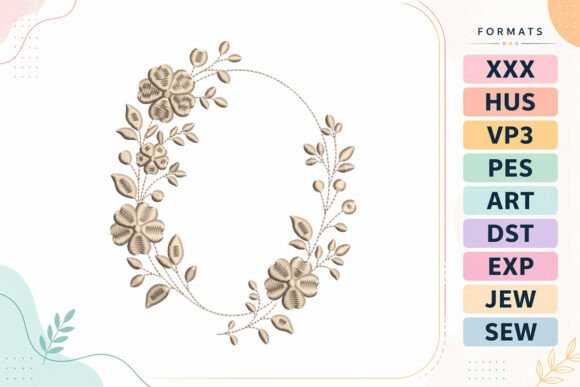
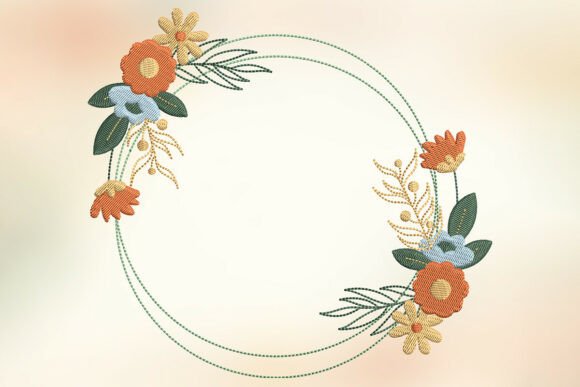
The first thing that strikes you about the Asymmetric Autumn Botanical Frame is its deliberate imbalance. Unlike traditional symmetrical wreaths that can feel static or overly formal, this asymmetric layout offers movement and organic flow. For a small business owner, this visual personality translates to a brand image that is modern, approachable, and creatively driven. It feels less like a rigid corporate logo and more like a handmade signature.
This design exudes a rustic yet elegant vibe, making it exceptionally suitable for industries that value authenticity. I immediately envisioned this working for local bakeries, independent florists, artisanal coffee shops, and boutique retail stores. The "autumn" descriptor suggests a warm color palette, but the structural elegance allows it to transcend seasonal limitations if digitized with neutral or brand-specific thread colors. It avoids being kitschy, maintaining a premium feel that justifies higher price points on custom apparel and merchandise.
Real-World Applications for Small Business Merch
When evaluating a digital embroidery file for commercial use, versatility is key. Here is how I see the Asymmetric Autumn Botanical Frame performing across different product lines:
- Embroidered Patches: This is perhaps the strongest application. The asymmetric shape allows for interesting die-cut patch borders. It works beautifully as a chest accent on denim jackets or canvas totes, offering a unique alternative to circular or shield-shaped badges.
- Apron Embroidery: For cafes and florists, staff uniforms are walking billboards. Placing this frame on the upper corner of a canvas apron adds a touch of sophistication without overwhelming the garment. It signals attention to detail and care, which customers subconsciously associate with product quality.
- Tote Bag Design: Canvas bags are staples for handmade product packaging. The sweeping nature of the botanical elements fills the space nicely, creating a balanced composition that looks intentional rather than slapped on. It enhances the perceived value of the bag, encouraging customers to reuse it.
- Cap Embroidery: While tricky due to curvature, a simplified version of this frame could work on the side panel of a dad hat or beanie. It offers a subtle branding opportunity that feels trendy and understated compared to large front logos.
- Product Packaging Accents: Imagine this embroidered on a small fabric tag attached to a handmade candle or knitwear item. It serves as a seal of quality, reinforcing the narrative of a thoughtful, handcrafted finished product.
Technical Considerations and Production Challenges
While the aesthetic appeal is high, any experienced embroiderer knows that beauty must be backed by technical stability. Before running a full production batch, there are several factors to consider regarding stitch density and fabric interaction.
Stitch Density and Fabric Texture: Botanical designs often rely on fine details to depict leaves and stems. If the Asymmetric Autumn Botanical Frame has high stitch density in these delicate areas, it may cause puckering on lightweight fabrics like cotton poplin or silk blends. I recommend testing on medium-weight canvas, twill, or denim first. For lighter materials, a cut-away stabilizer is non-negotiable to maintain the integrity of the asymmetric shape.
Size and Scalability: Asymmetry can be deceptive when scaling down. If you intend to use this as a small left-chest logo on a polo shirt, ensure that the finer botanical details do not merge into a solid blob. I advise creating a printable mockup at the intended size to check for clarity. If the design loses definition below three inches, it may be better suited for larger items like tote bags or back-of-shirt prints rather than subtle uniform branding.
Thread Colors and Contrast: The success of this design hinges on contrast. On dark uniforms, such as navy or black chef coats, you will need high-contrast thread colors to ensure the botanical frame is visible. However, avoid using too many color changes if speed is a priority for your shop. Simplifying the color palette can also modernize the look, making it feel more graphic and less illustrative.
Impact on Brand Identity and Customer Trust
Why does the choice of embroidery design matter for business growth? Because consistency builds trust. Using a cohesive visual asset like the Asymmetric Autumn Botanical Frame across various touchpoints—from staff aprons to customer gift tags—creates a recognizable brand language. It signals professionalism and a commitment to quality.
For Etsy sellers and craft business assets, this level of detail differentiates a handmade product from mass-produced goods. When a customer receives an item with a well-executed, artistic embroidered element, their perceived value of the purchase increases. It transforms a simple transaction into an experience. The organic, flowing lines of this specific design evoke feelings of warmth and creativity, fostering an emotional connection with the buyer.
Practical Designer Notes for Implementation
Before you purchase or begin stitching, follow this checklist to ensure optimal results:
- Check the Specs: Verify the hoop size requirements and stitch count provided with the digital embroidery file. Ensure your machine can accommodate the dimensions without excessive re-hooping.
- Test on Scrap Fabric: Always run a test stitch-out on the exact fabric type you plan to use for production. Check for registration issues and thread breaks.
- Review Licensing: Confirm the commercial licensing terms. Ensure you have the right to use the design on physical goods for sale, not just for personal projects.
- Create Mockups: Use design assets to create digital mockups for client approval before stitching. This saves time and material costs if adjustments are needed.
- Consider Stabilizer: Match your stabilizer to the fabric weight. A heavy design on a light fabric requires robust support to prevent distortion.
In conclusion, the Asymmetric Autumn Botanical Frame is a versatile and stylish addition to any embroidery library focused on small business merch. It bridges the gap between artistic expression and commercial viability. By paying attention to technical details like stabilizer choice and scale, you can leverage this design to create standout custom apparel and accessories that truly reflect the quality of your brand. Whether used for a local bakery’s aprons or a boutique’s tote bags, it offers the elegant, handmade touch that modern consumers crave.